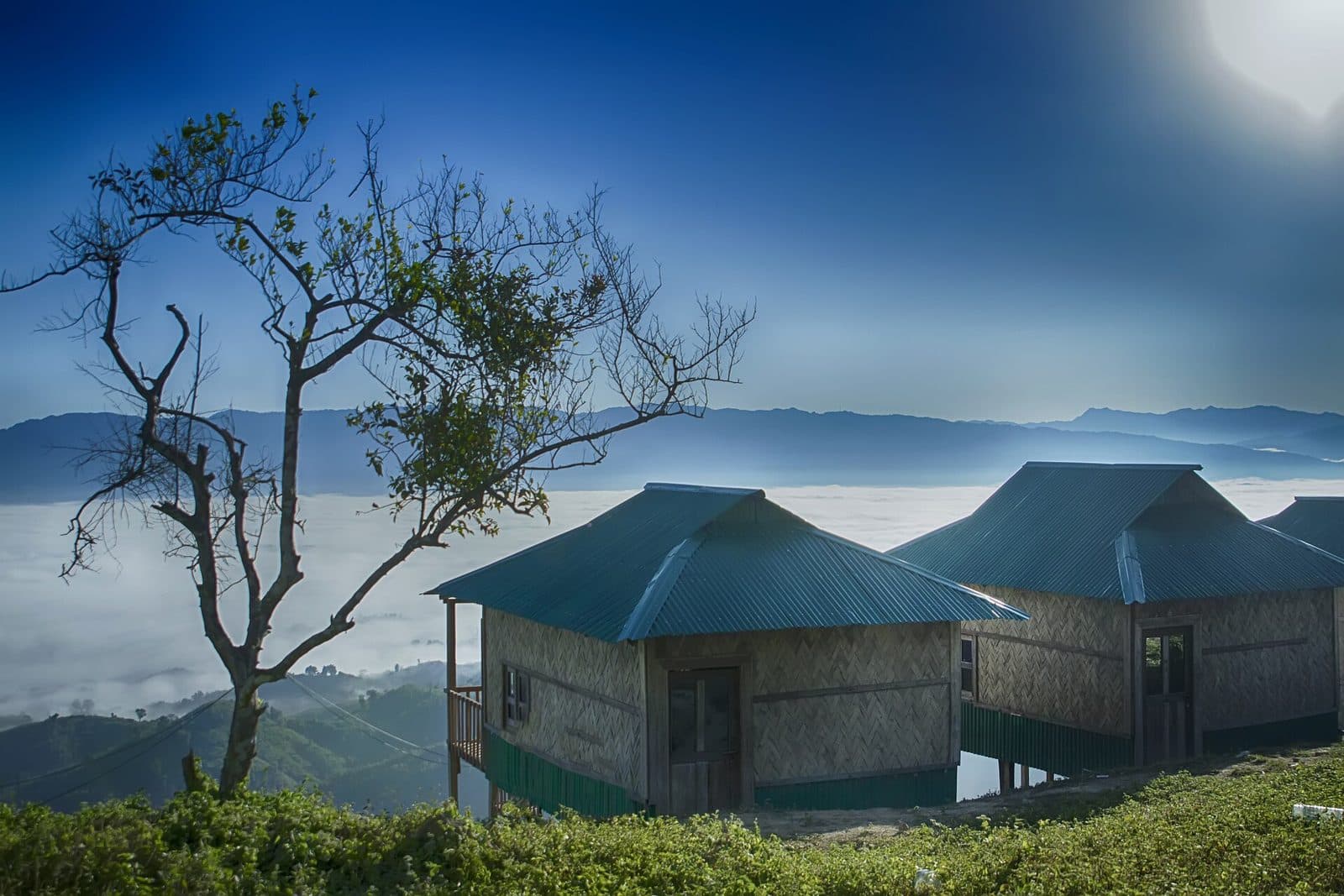
Sajek Valley sits high on a ridge in Rangamati district, in the Chittagong Hill Tracts of south-eastern Bangladesh, close to the border with the Indian state of Mizoram. It is best known for its views over rolling hills, where clouds often drift through the valleys at dawn. Although Sajek is administratively part of Rangamati, almost all visitors reach it by road from Khagrachari. This guide covers how to get there, where to stay and what to expect on a short trip.
Getting to Sajek
From Dhaka to Khagrachari
The usual route starts with an overnight or early-morning coach from Dhaka to Khagrachari town, which typically takes around seven to nine hours. Several bus companies run this route, including Shanti Paribahan, Shyamoli, Saint Martin Paribahan and BRTC, and tickets can sell out on Thursdays and before long weekends. Travellers coming from Chattogram can also take a bus to Khagrachari, a shorter journey of roughly three to four hours.
From Khagrachari to Sajek
From Khagrachari, visitors travel to Sajek in open-backed jeeps known locally as chander gari, or occasionally in CNGs. The road passes through Dighinala and the Baghaihat area, from where tourist vehicles travel in convoys escorted by security forces. Jeeps typically leave Khagrachari around 10 am to reach Sajek by early afternoon, and return convoys leave Sajek in the morning and afternoon, but there is no published timetable and schedules change, particularly during blockades or bad weather. The drive of roughly 70 km from Khagrachari takes around three hours, longer with stops or poor road conditions.
A chander gari, which seats about 12 people, can be reserved for a group, which is the most common option. Rates are usually quoted per vehicle for a return trip including an overnight stay, and sharing with other travellers keeps costs down.
Where to stay
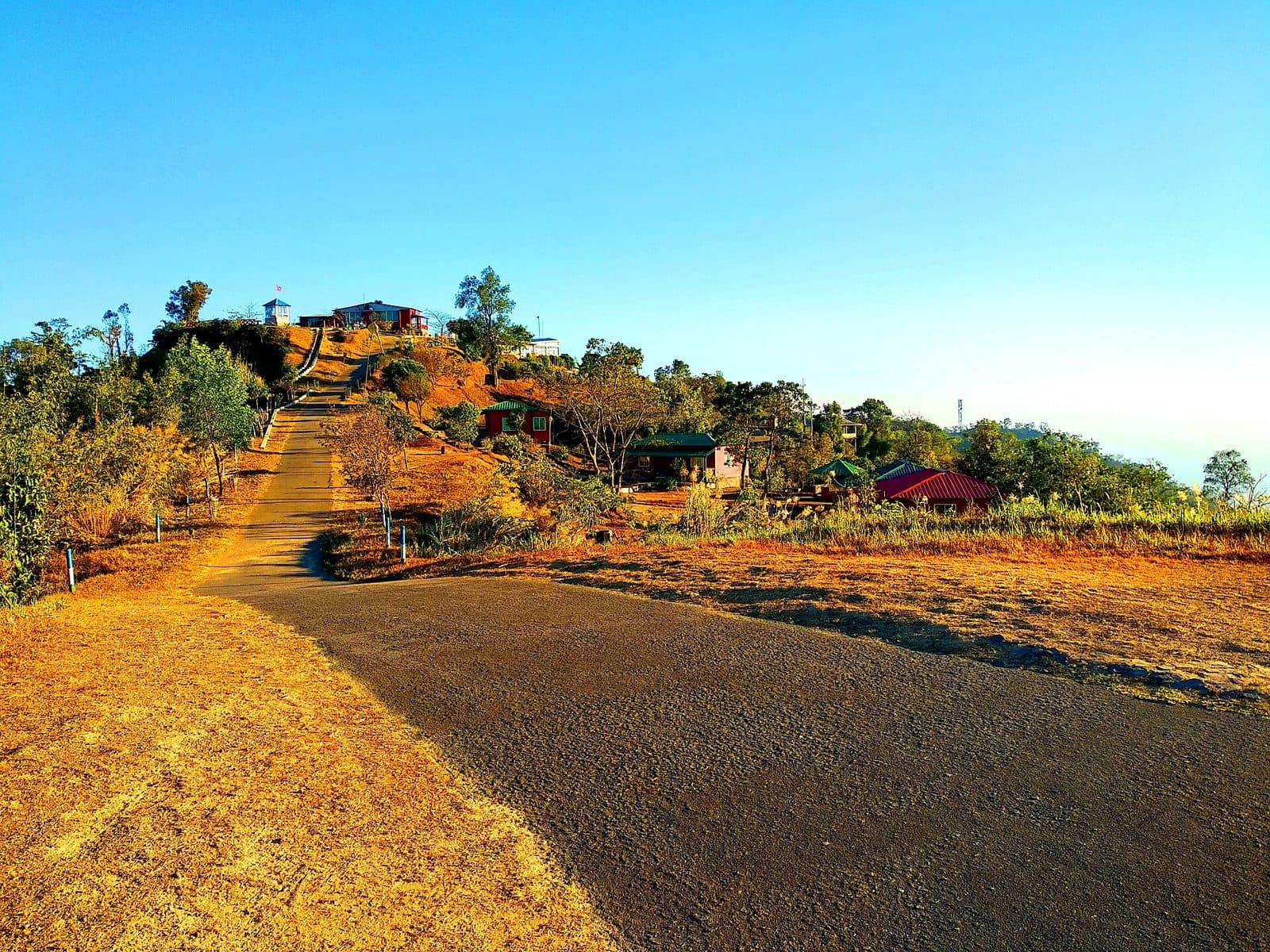
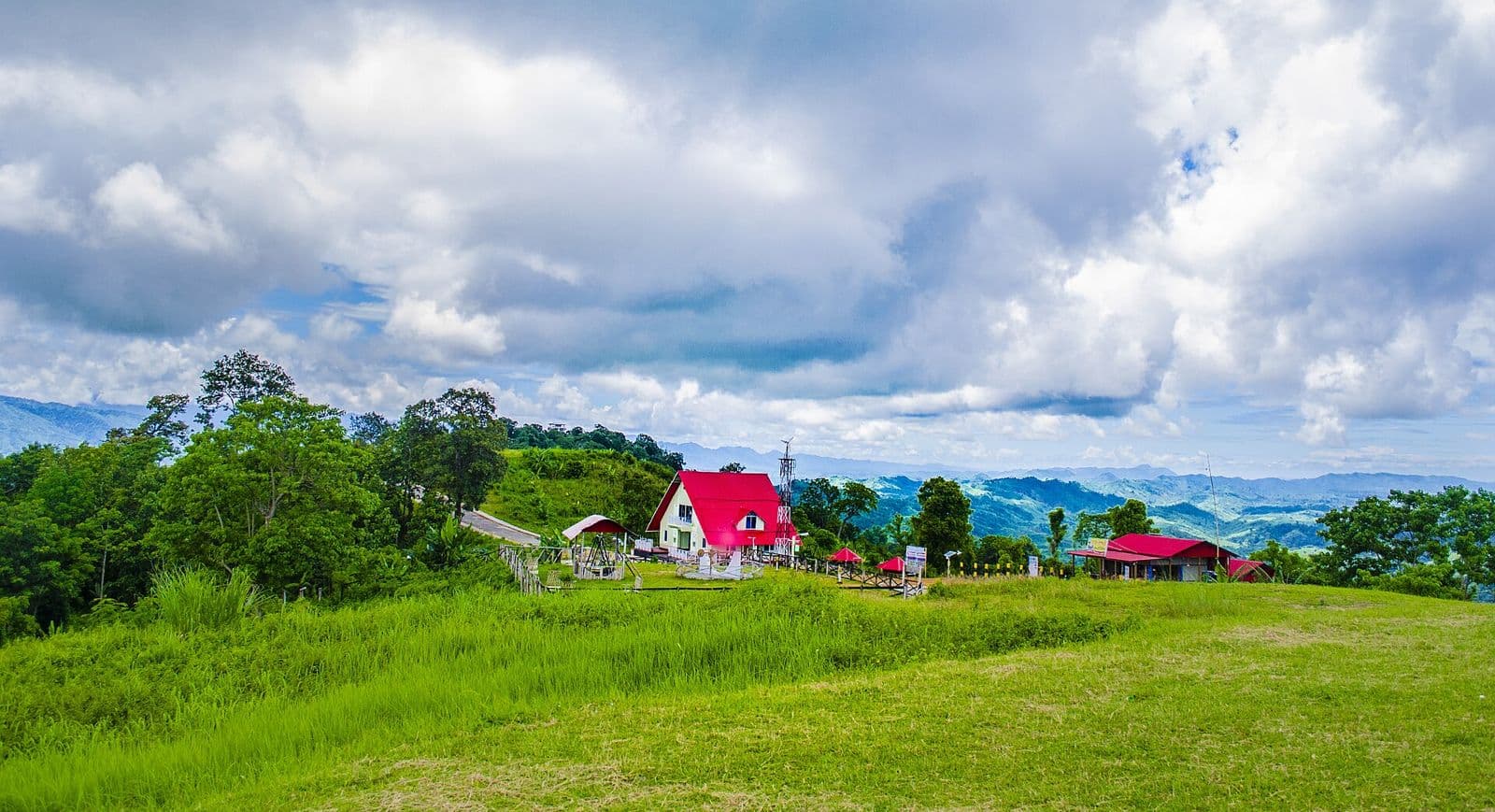
Sajek has two main settlements for visitors: Ruilui Para, which lines the main road and has most of the cottages and restaurants, and Konglak Para, a small Lushai village on the hilltop above it. Accommodation is mostly in wooden or bamboo cottages, ranging from very basic rooms to more comfortable mid-range properties with private bathrooms and valley-view balconies.
Ruilui Para
Ruilui Para is where most people stay. It is convenient for the Helipad viewpoint, food stalls and the main parking area where jeeps drop off. Valley-facing rooms are worth asking for when you book.
Sheari Eco Cottage Sajek, in Ruilui Moja, is a small cottage property with hill-facing balconies and breakfast and morning tea included in its own package. It opened in 2025, newer than most places on the ridge, and also has an infinity pool.
Along Konglak Road
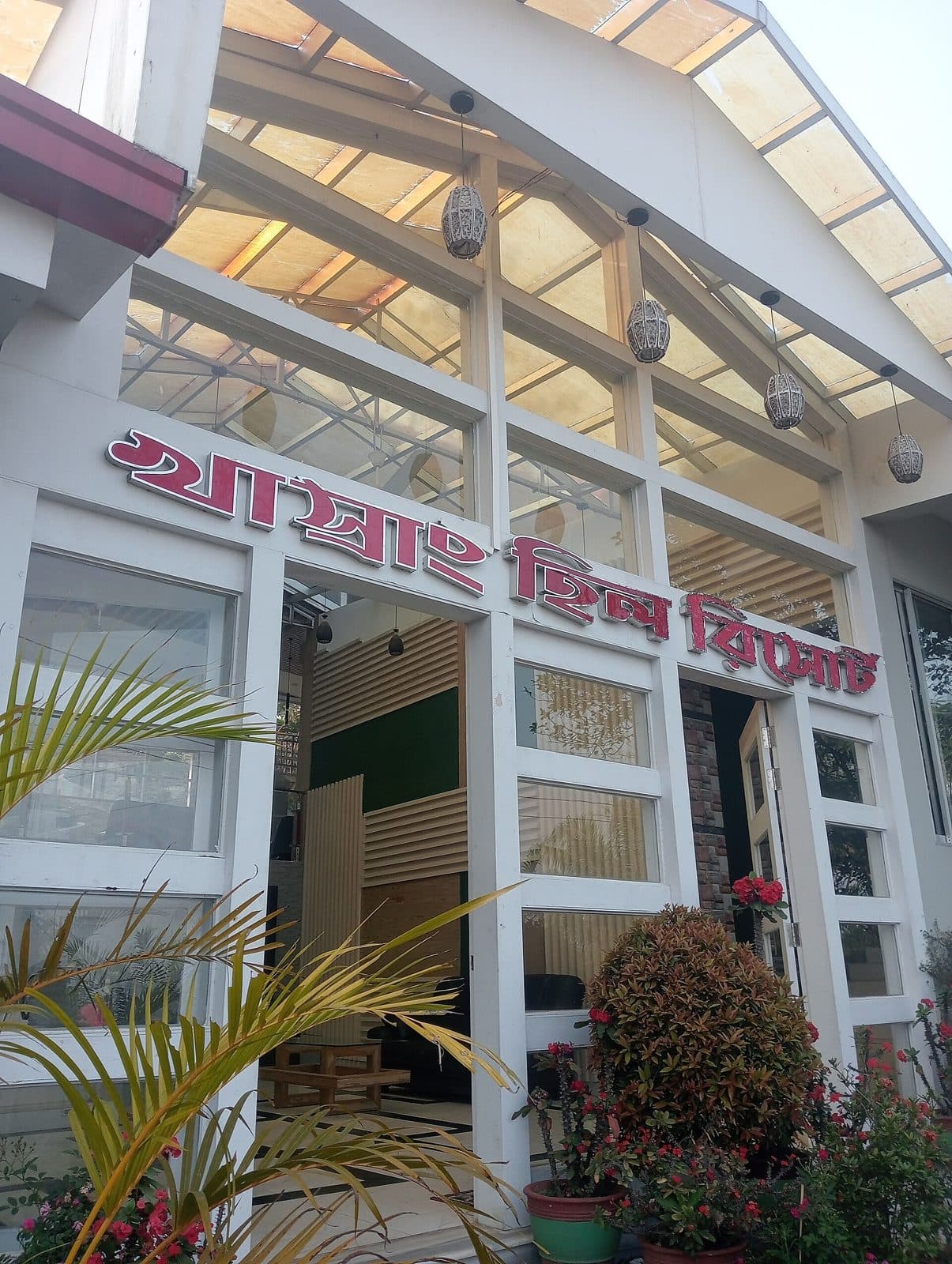
Beyond the main strip, the road toward Konglak has some of the larger resorts. Khasrang Hill Resort, at Kamala Bagan on Konglak Road, has around twenty cottage rooms with air conditioning, TVs and private balconies. It is one of the more comfortable options in Sajek and is priced accordingly.
Konglak Para
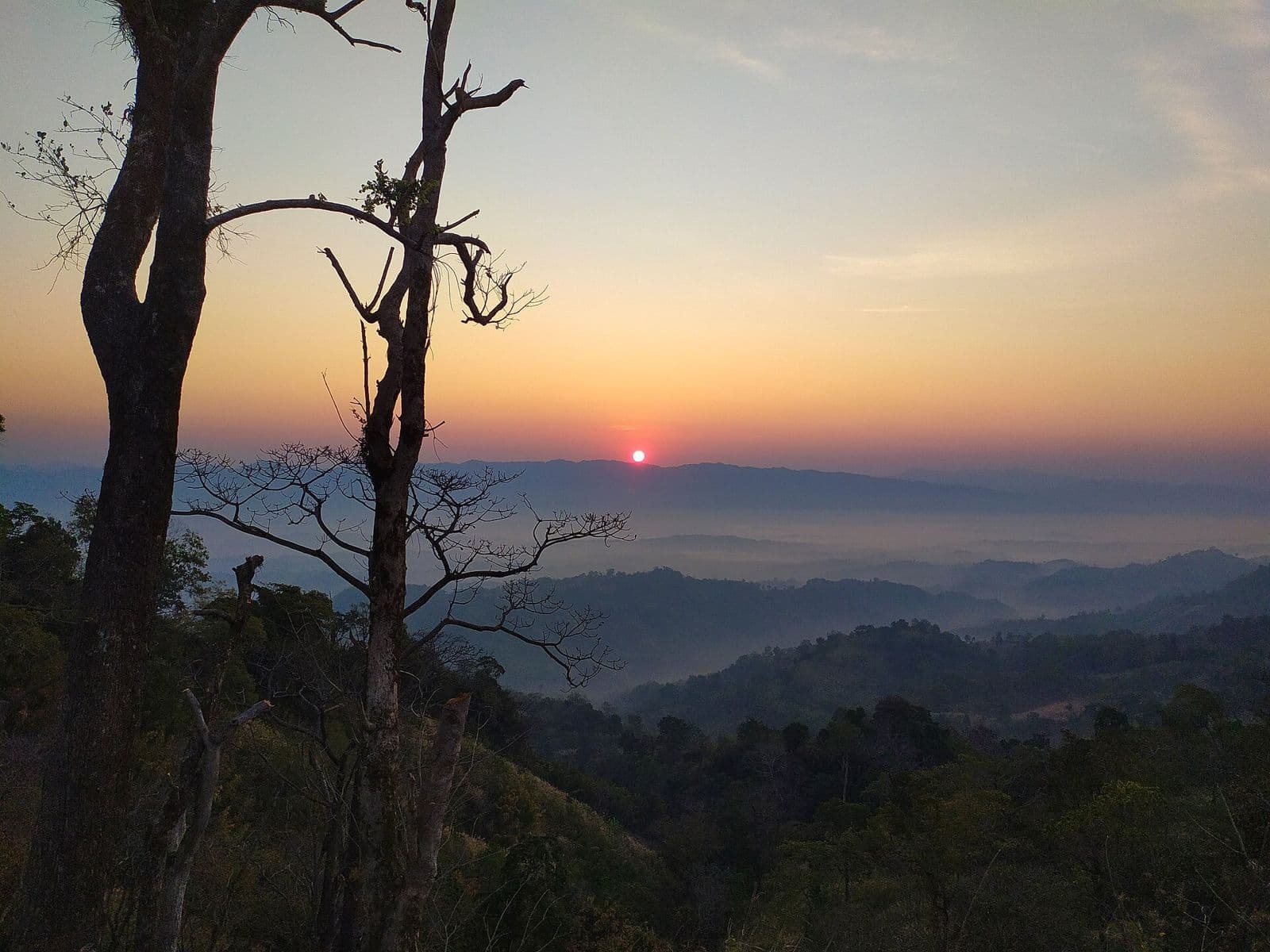
Konglak Para sits at the far end of the ridge and is reached by a short but steep, sometimes slippery climb from the end of the road. It is quieter, with a handful of homestays and very basic lodges. Facilities are limited, but the views, especially at sunrise, are among the best in the area.
Budget options
If you want a lower-priced room that can still be booked online, Megh Roddur Hill Resort is a small, simple two-star property with family rooms, each with a balcony. Don't count on internet access there.
Power, water and connectivity
Sajek is remote and not connected to the national grid, and facilities reflect that. Cottages rely on solar panels and generators, which may only run for limited hours in the evening. Water is often stored in tanks, and hot water can be limited or unavailable in cheaper places. Mobile coverage varies by operator, and Wi-Fi, where offered, is usually slow.
- Carry a power bank and charge devices whenever electricity is available.
- Pack a torch or headlamp for walking at night.
- Bring any medication you need, as pharmacies are limited.
- Keep some cash, since card payments and mobile banking may not always work.
When to visit
The dry season, from roughly October to March, is the most popular time. Skies are clearer, roads are drier and nights can be cool, especially in December and January, so bring a warm layer. The monsoon, from around June to September, brings the most dramatic cloud scenes but also slippery roads and occasional landslides. Weekends and holidays are very busy throughout the year, and many cottages are fully booked well in advance.
Sajek can also be closed to tourists at short notice. In 2026 the Rangamati district administration shut it from 7 to 15 July after heavy rain and landslides, and again from 11 to 15 October during a local road blockade, which its organisers suspended only until 21 October. Check the latest notices from the Rangamati district administration before you set off.
A simple two-day itinerary
Most visitors spend one or two nights in Sajek. A typical plan looks like this.
- Day one: travel from Khagrachari with the morning convoy, check in, visit the Helipad viewpoint in the afternoon and watch the sunset from Ruilui Para.
- Day two: wake early for sunrise, walk up to Konglak Para, and then return to Khagrachari with the afternoon convoy.
If you have extra time in Khagrachari, the Alutila cave, the Richhang waterfall and the hanging bridge area are common stops on the way in or out.
Respecting local communities
Sajek is home to Lushai, Pangkhua and Tripura communities. Ask before photographing people or homes, dress modestly, and avoid leaving litter, which is a growing problem as visitor numbers rise. Buying food and handicrafts from local vendors helps ensure tourism benefits the people who live here.
Frequently asked questions
Prices are indicative and set by the booking sites. We may earn a commission at no extra cost to you.