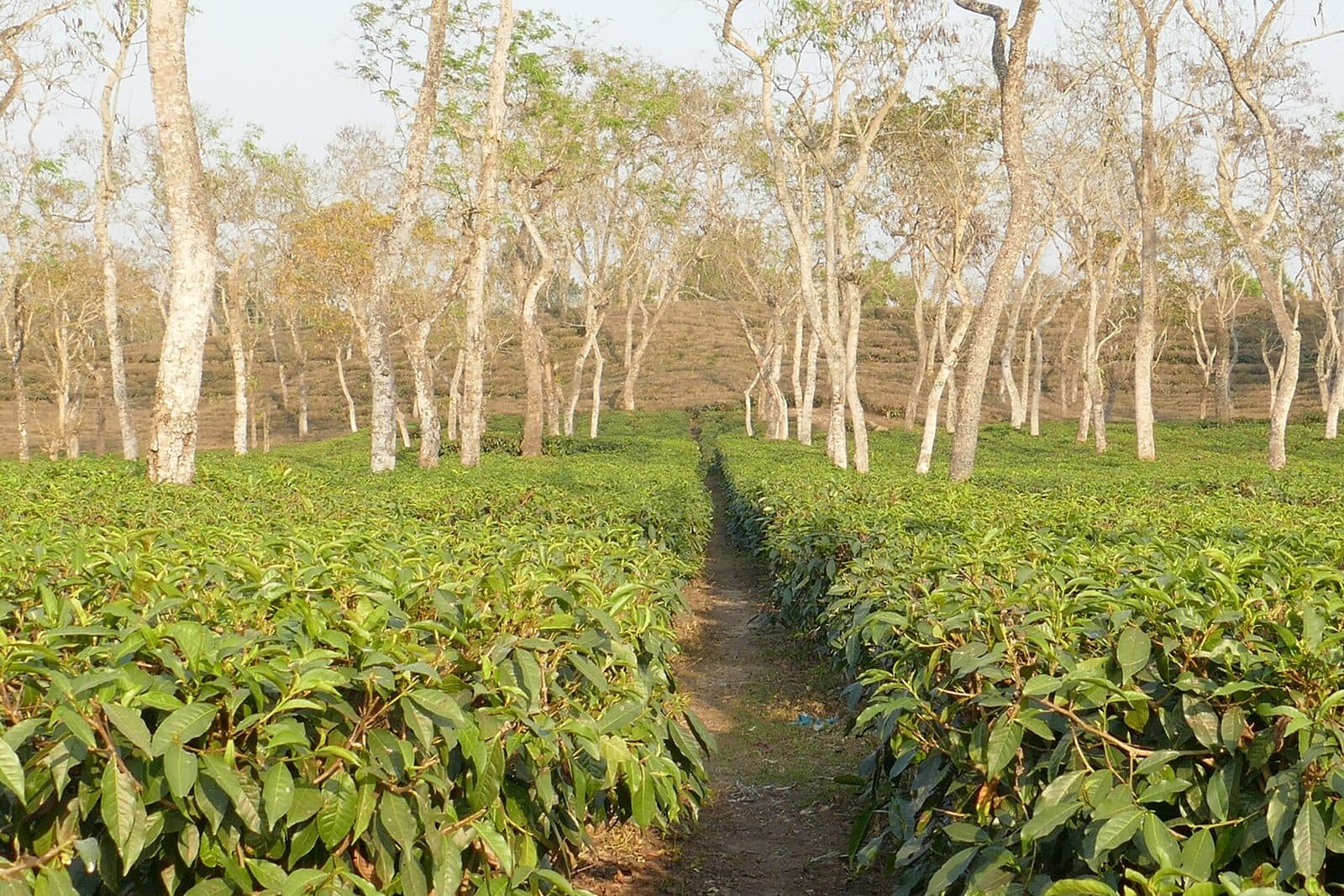
The Sylhet division in north-eastern Bangladesh is the country's main tea-growing region. Neat rows of tea bushes cover low hills around Sreemangal, Moulvibazar and the outskirts of Sylhet city, and a growing number of resorts and cottages have opened among them. For many visitors, a night or two in a tea garden resort is the main reason to travel to the region. This guide explains where to stay, what to expect and how to plan a trip.
Sreemangal or Sylhet city
The first decision is which base to choose. Both have tea estates nearby, but they suit different kinds of trip.
Sreemangal
Sreemangal, in Moulvibazar district, is often called the tea capital of Bangladesh. The town is surrounded by estates, and most tea garden resorts are located along the roads leading out toward Kamalganj and Bhanugach. It is also the gateway to Lawachara National Park, one of the best remaining patches of semi-evergreen forest in the country. If your priority is tea gardens, forest walks and a quiet rural setting, Sreemangal is usually the better choice.
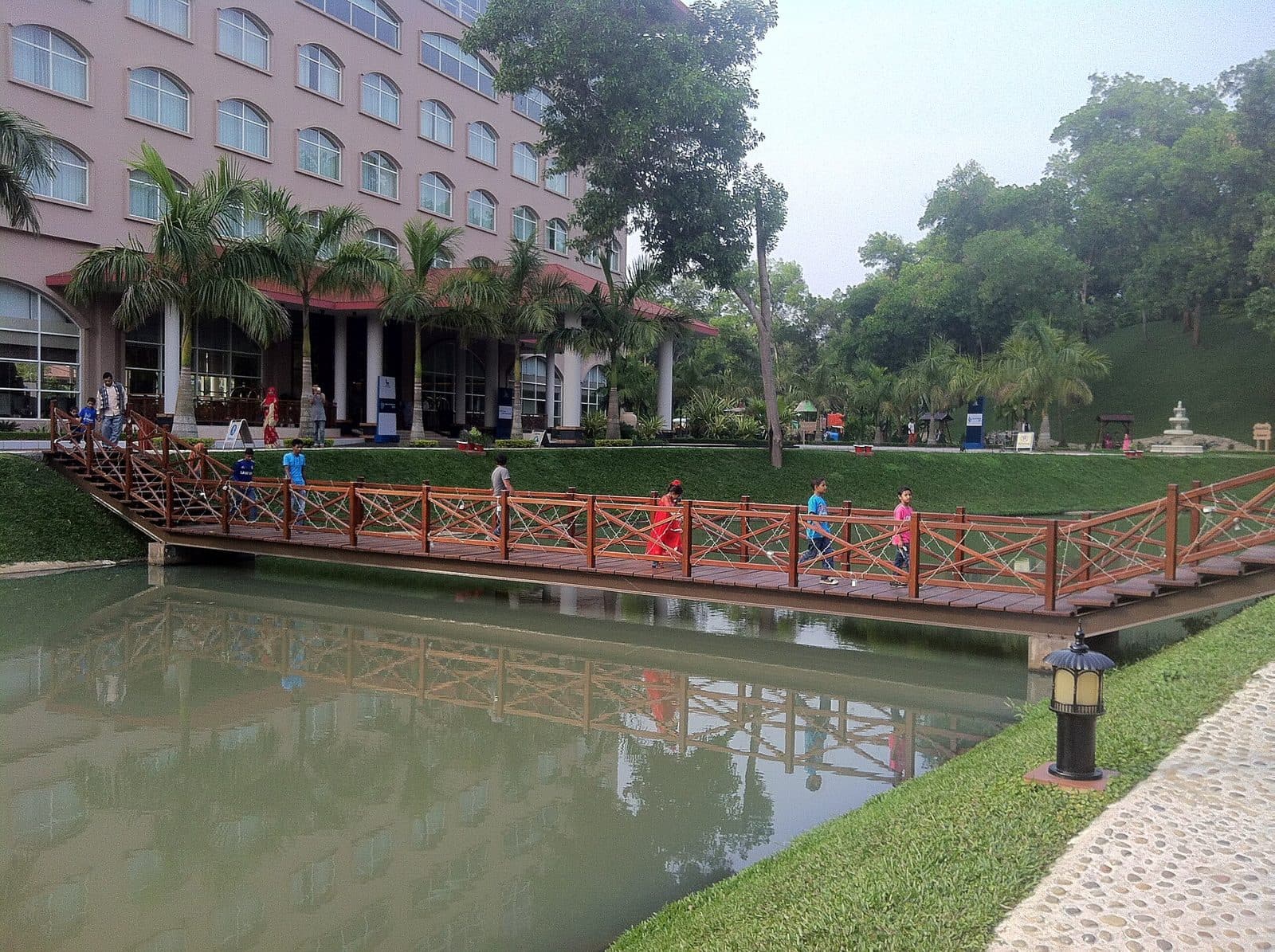
One of the best-known options is Grand Sultan Tea Resort & Golf, a large resort on the Bhanugach road with pools, a spa and a 9-hole golf course, a short drive from Lawachara.
Sylhet city
Sylhet city has tea estates such as Malnicherra and Lakkatura on its northern edge, close to the airport. The city itself is busier, with more hotels, restaurants and shopping, and it is the natural base for day trips to Jaflong, Ratargul Swamp Forest and Bisnakandi. A city hotel paired with a day in the tea gardens can work well if you want to see more of the division.
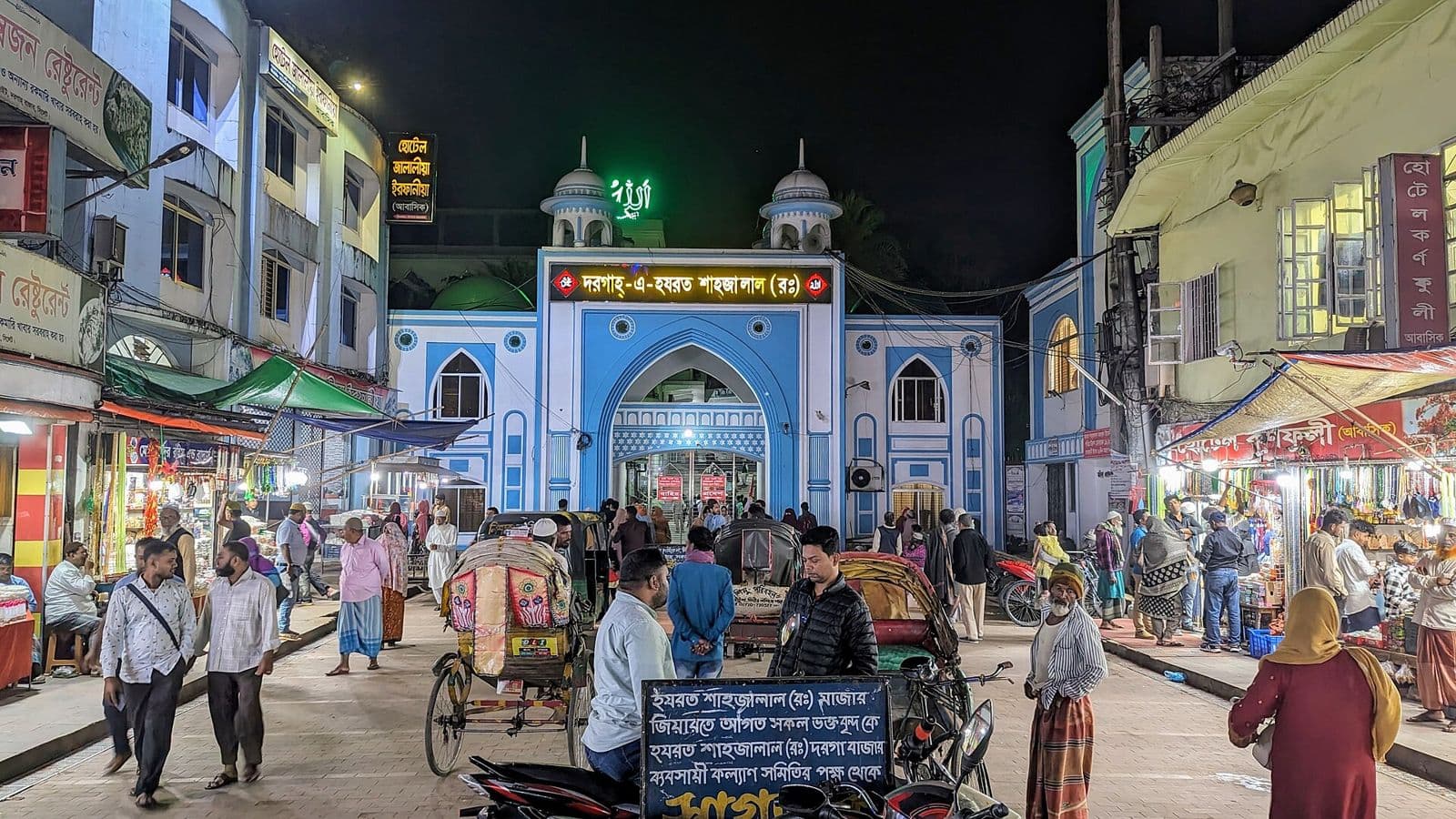
Hotel Star Pacific, near the Hazrat Shah Jalal shrine at East Dargah Gate, is one well-located city option with a rooftop pool.
What tea garden resorts are like
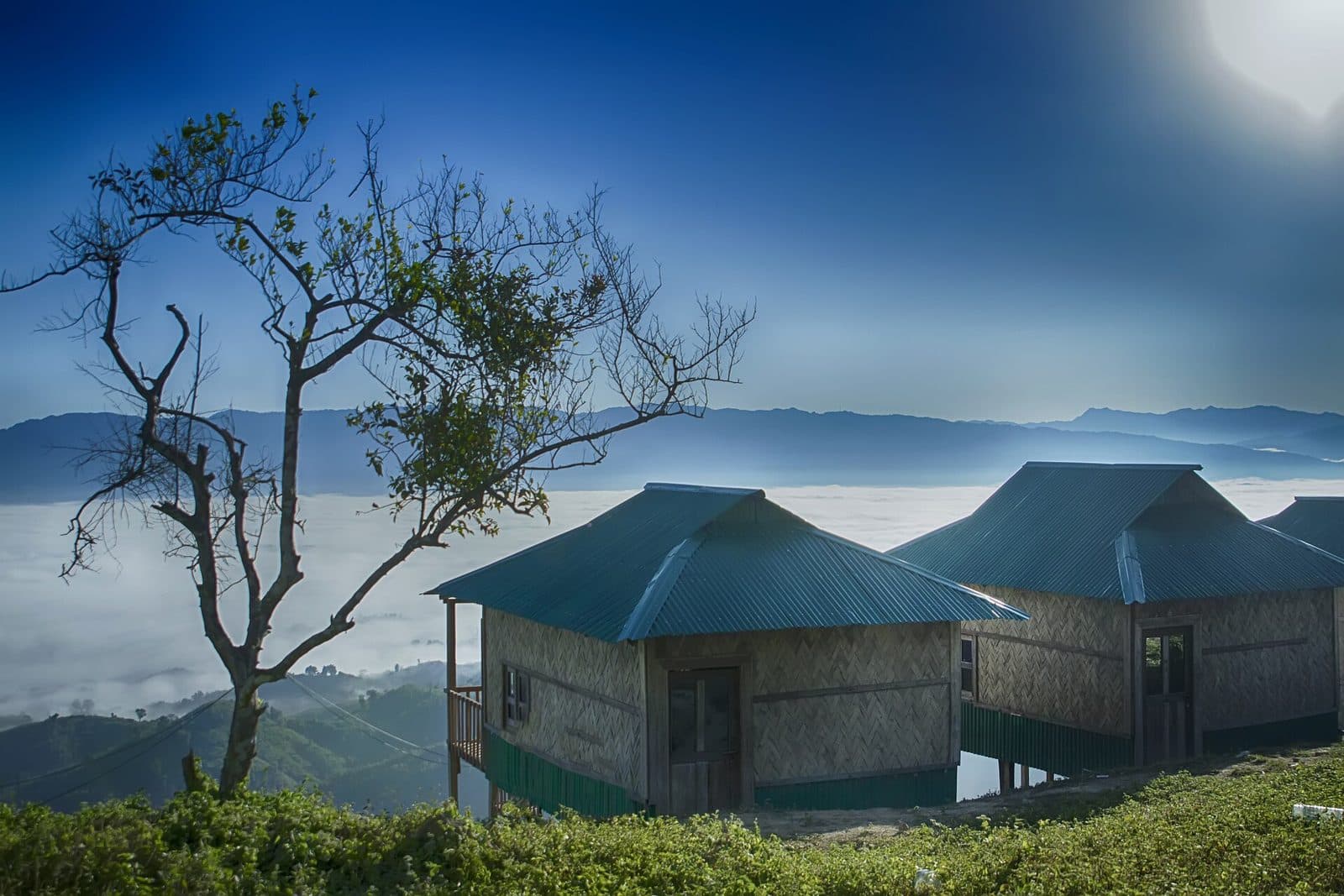
Tea garden resorts in the region range from simple cottage clusters to larger properties with pools, restaurants and landscaped grounds. Common features include standalone bungalows or duplex cottages with verandas, gardens planted with lemon, pineapple or local fruit trees, and staff who can arrange walks through nearby estates.
Prices vary with the season and the level of comfort. As a rough guide, simpler cottages might start at around 4,000 to 6,000 BDT per night, while well-equipped resorts can cost in the region of 9,000 to 20,000 BDT or more for a cottage, especially on weekends. Many resorts offer packages that include meals, which can be convenient as they are often some distance from town.
Things to do nearby
A tea garden stay is relaxed by design, but there is plenty to see within a short drive.
- Lawachara National Park, known for hoolock gibbons, capped langurs and a range of birdlife. Guided walks are recommended.
- Tea estate walks, which are best in the early morning. Some estates restrict access, so ask your resort about permitted routes.
- The Bangladesh Tea Research Institute area near Sreemangal, surrounded by well-kept gardens.
- Tea stalls in Sreemangal town, including cafes that serve the multi-layered colourful tea the town is known for.
- Madhabpur Lake, a scenic lake inside a tea estate in Kamalganj, roughly 16 km from Sreemangal.
- Khasi and Manipuri villages, where you may see traditional weaving and betel leaf cultivation.
Getting there
By train
The train is one of the most pleasant ways to reach the region. Intercity trains from Dhaka to Sylhet stop at Sreemangal, with the journey to Sreemangal taking roughly four to five hours. Tickets can be booked through Bangladesh Railway's official online system, and seats on popular trains sell out, especially before weekends.
By road and air
Buses run frequently from Dhaka to both Sreemangal and Sylhet. Sylhet's Osmani International Airport has several daily domestic flights from Dhaka, taking under an hour. From the airport, Sreemangal is roughly two to three hours by car.
When to go
The tea plucking season generally runs from around March to October, when the bushes are at their greenest and you are more likely to see workers in the gardens. The monsoon months bring lush scenery but heavy rain and leeches on forest trails. Winter, from roughly November to February, is cooler and drier and the most popular time with domestic tourists, though many tea bushes are pruned towards the end of winter and look less vivid.
Practical tips
- Pack insect repellent, particularly for forest walks and evenings on your veranda.
- Wear comfortable shoes with grip, as estate paths can be muddy.
- Respect estate rules and the privacy of tea workers and their communities.
- Carry some cash, as smaller resorts and local shops may not accept cards.
Frequently asked questions
Prices are indicative and set by the booking sites. We may earn a commission at no extra cost to you.