Why London
London packs two thousand years of history, world-class museums (many free to enter), royal palaces, theatre and an enormous food scene into one city. It is also a city of villages: step away from the busy centre and you find quiet neighbourhoods, green parks and long stretches of the River Thames.
A first trip usually focuses on the big sights around Westminster and the South Bank, but the riverside to the west, around Fulham and Putney, shows a calmer, more local side of the city.
Getting There
By air
Heathrow is London's main international airport. Biman Bangladesh Airlines flies there from Dhaka, with most flights stopping in Sylhet on the way, and there are also one-stop connections via the Gulf, Istanbul and other hubs from both Dhaka and Kathmandu. Gatwick, Stansted, Luton and London City airports serve mostly European and short-haul routes.
From the airport
- Heathrow: the Elizabeth line and Piccadilly line run into central London; the Heathrow Express reaches Paddington in about 15 minutes from Terminals 2 and 3 (a little longer from Terminals 4 and 5).
- Gatwick: Gatwick Express, Thameslink and Southern trains run to Victoria and London Bridge.
What to Do
Central London
- Westminster. Houses of Parliament, Big Ben and Westminster Abbey are all within a few minutes' walk.
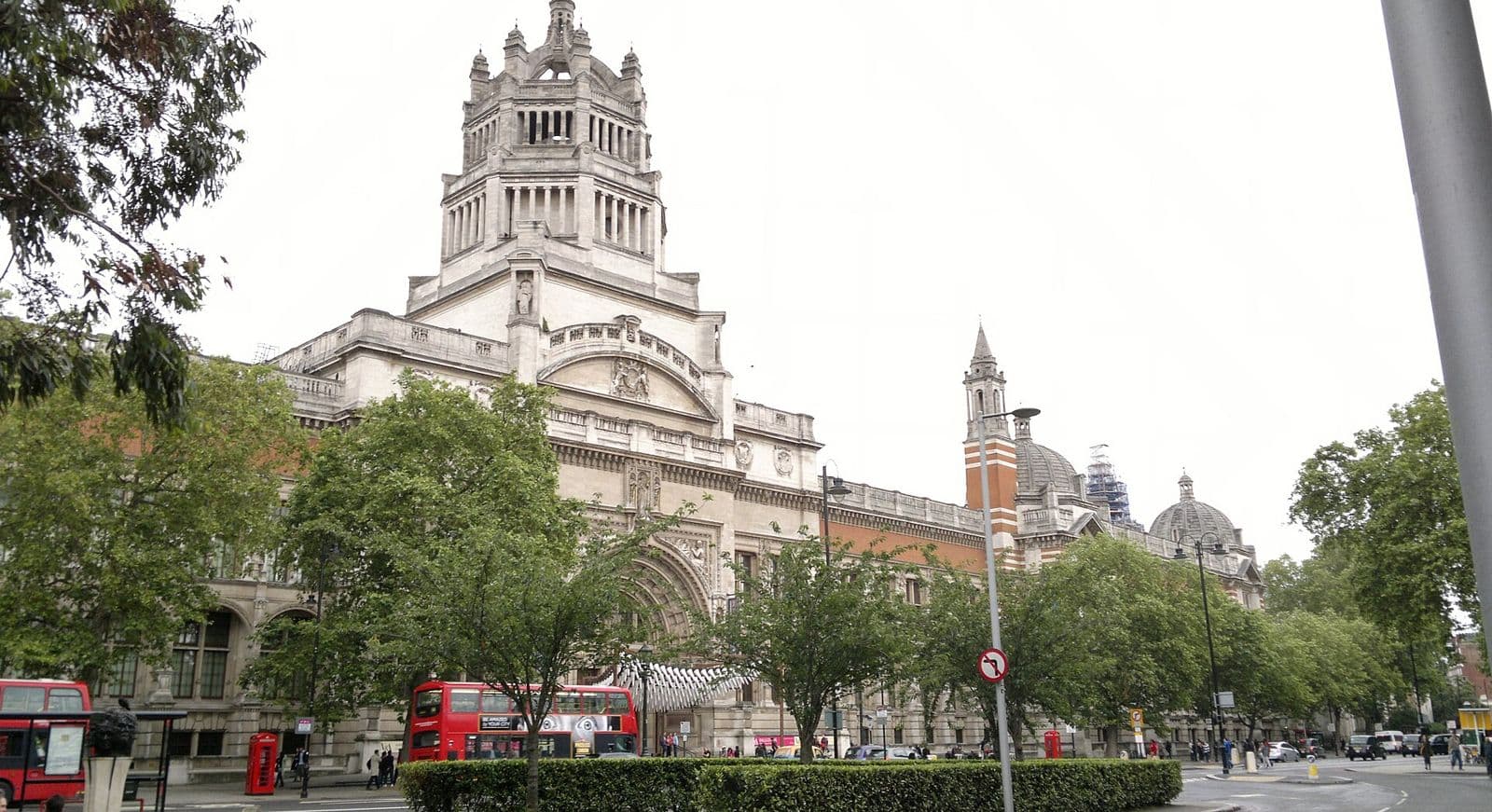
- Free museums. The British Museum, National Gallery, Natural History Museum and Science Museum are free to enter (some special exhibitions charge).
- Tower of London and Tower Bridge. Home to the Crown Jewels and nearly a thousand years of history.
- The South Bank. A riverside walk past the London Eye, Tate Modern and Shakespeare's Globe.
Fulham and Putney riverside
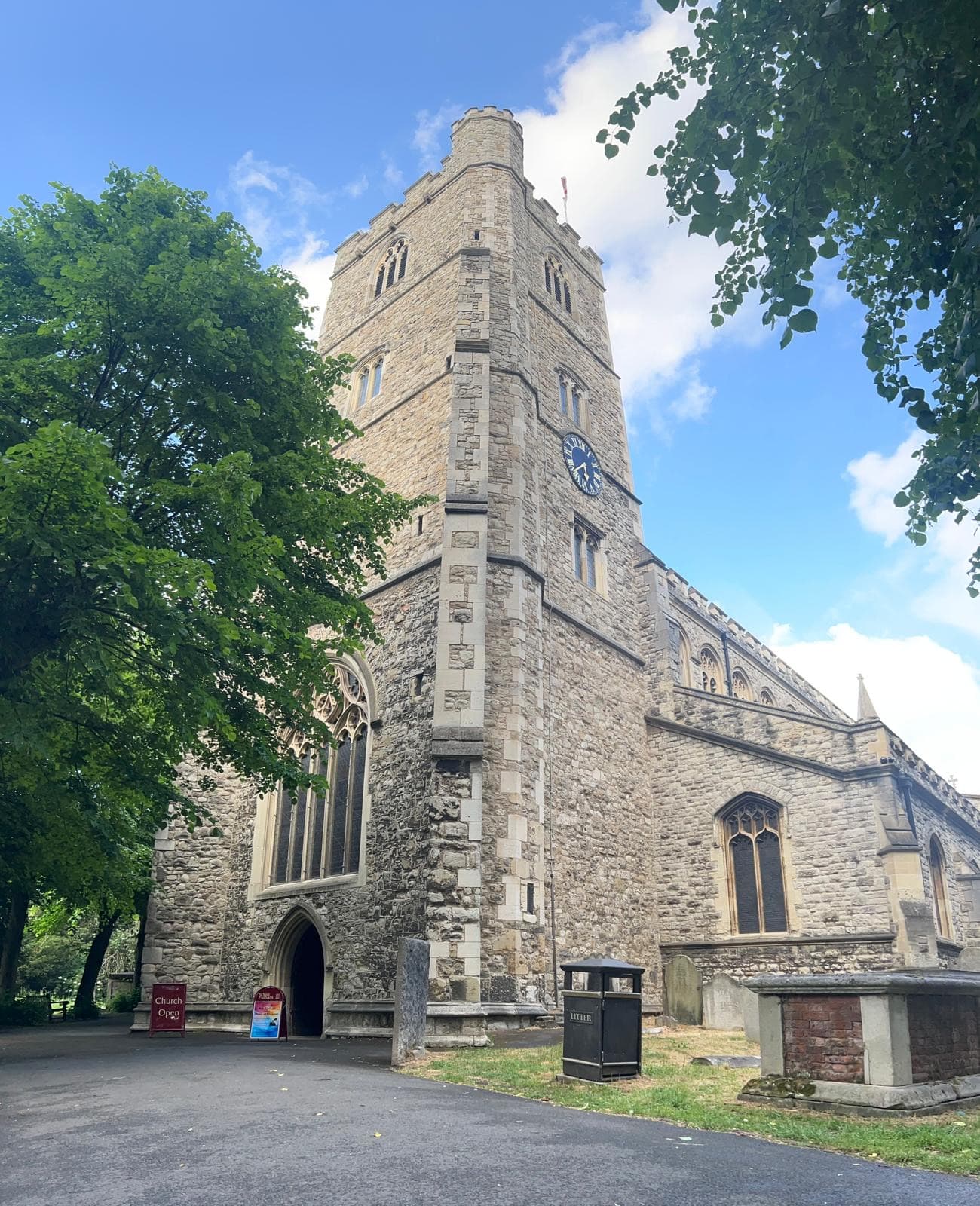
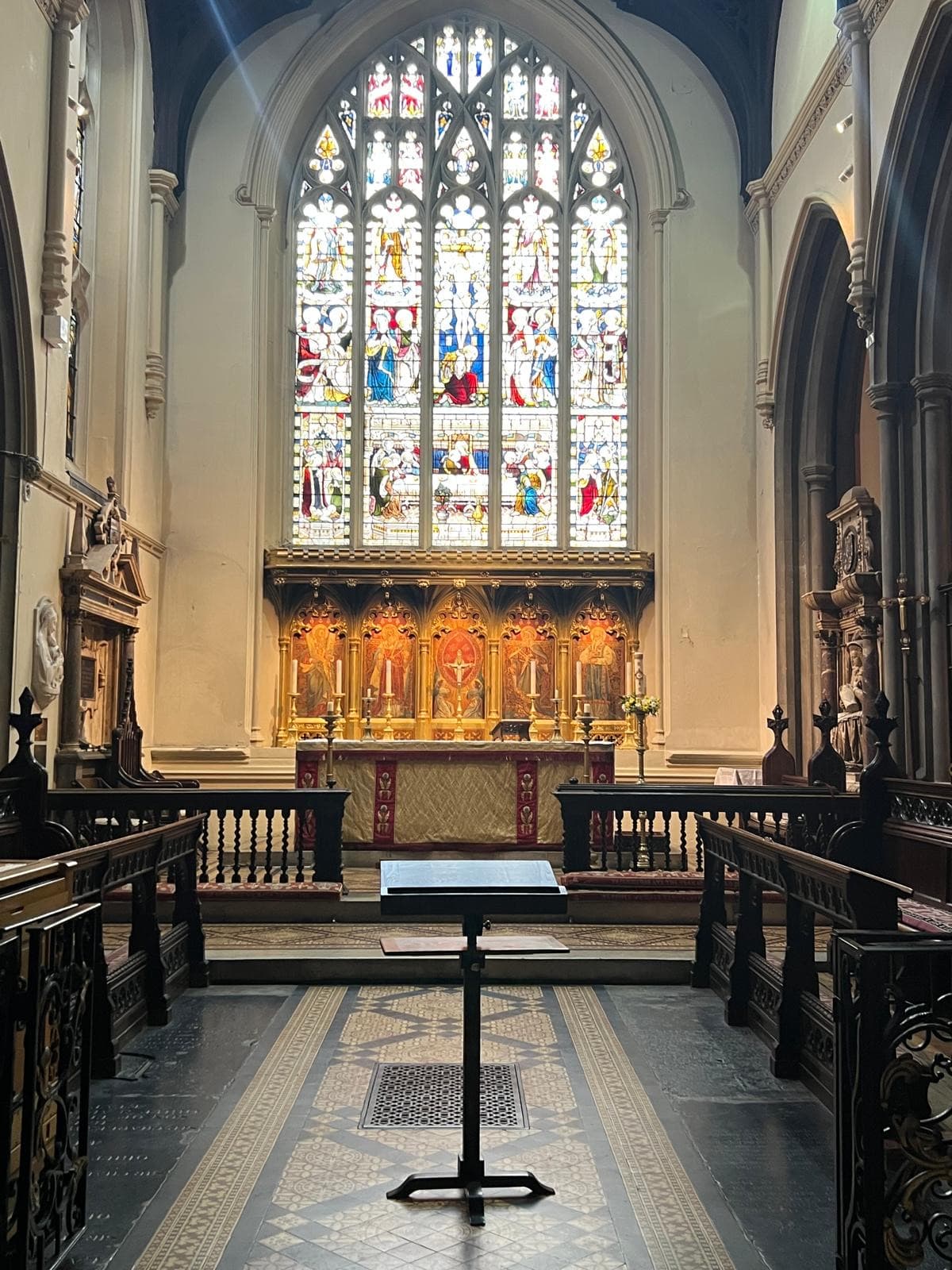
- All Saints Church, Fulham. Standing at the north end of Putney Bridge, its medieval stone tower is one of the oldest landmarks on this stretch of the river. Inside, the chancel has a richly coloured stained-glass window above a gilded altarpiece.
- Bishop's Park and Fulham Palace. A riverside park next to the church, and the former home of the Bishops of London, with gardens and a small museum.
- The Thames Path. Walk or cycle along the river; Putney is the start of the course for the annual Oxford and Cambridge Boat Race each spring.
Where to Stay
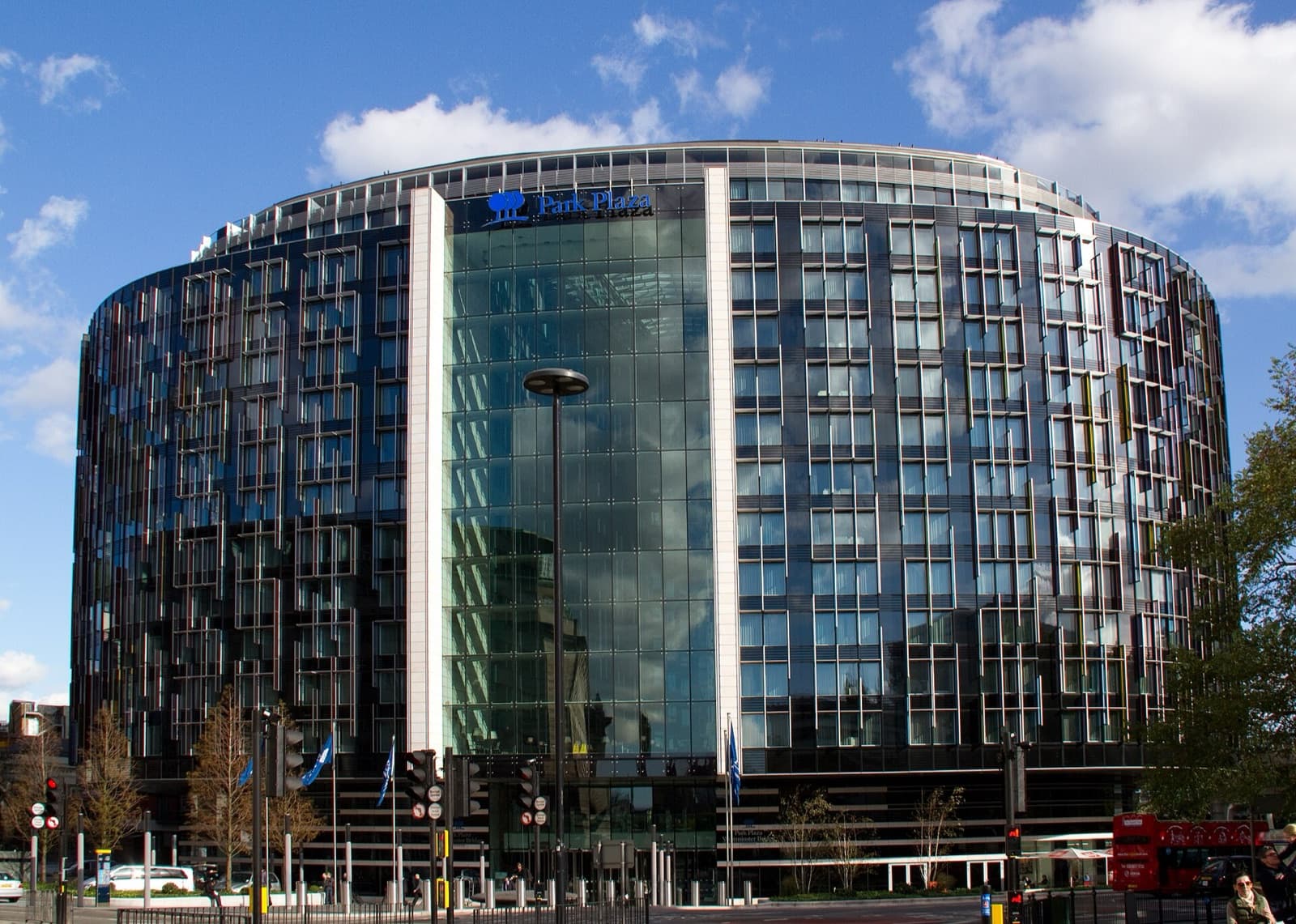
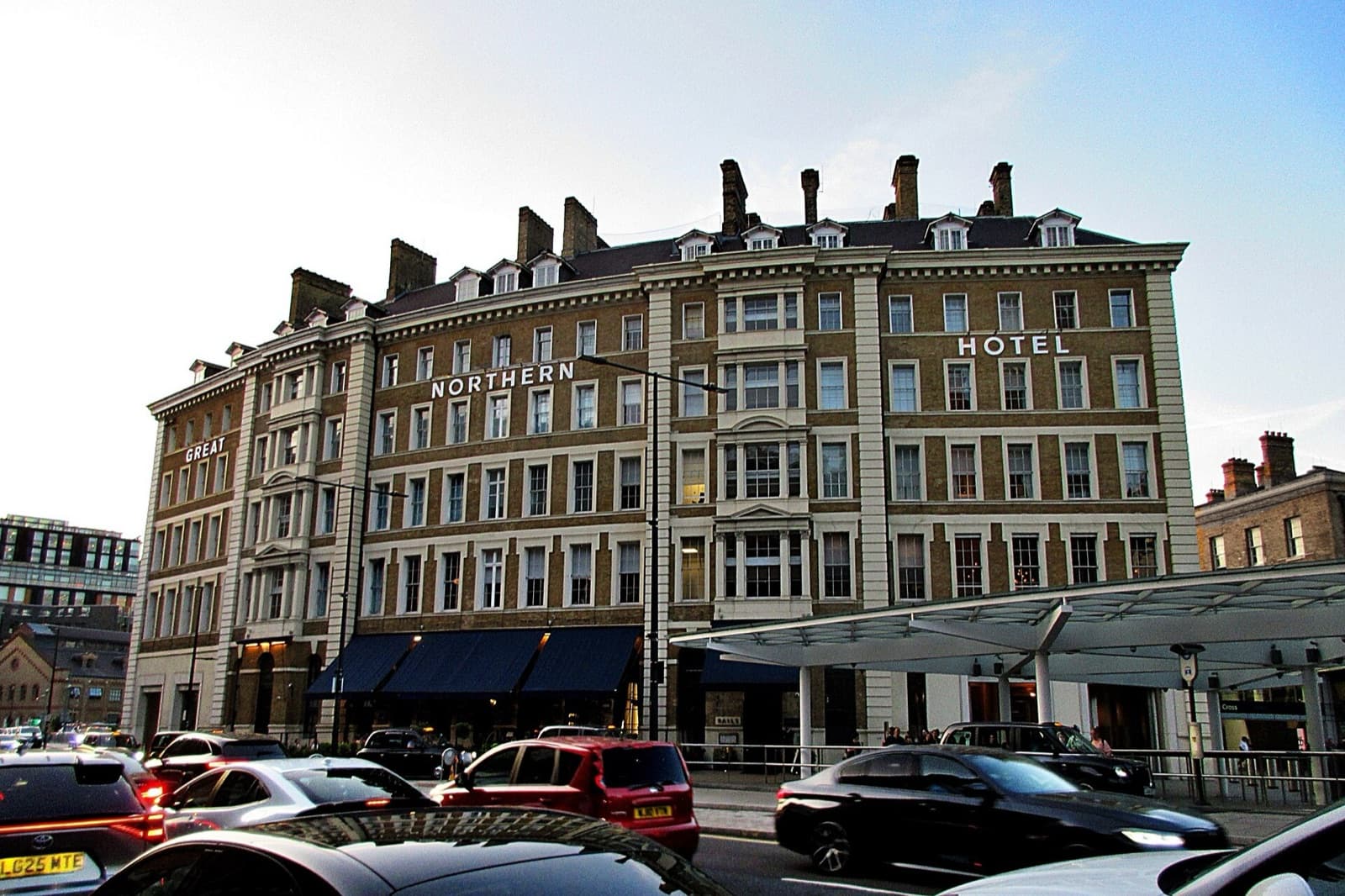
For a short first visit, staying around Westminster, the South Bank or Covent Garden keeps the main sights within walking distance, though prices are high. Kensington and South Kensington suit families and museum lovers. For better value and a more local feel, look at Fulham and Putney, which have quick District line connections to the centre.
Prices rise sharply in summer and around major events, so book early.
Food
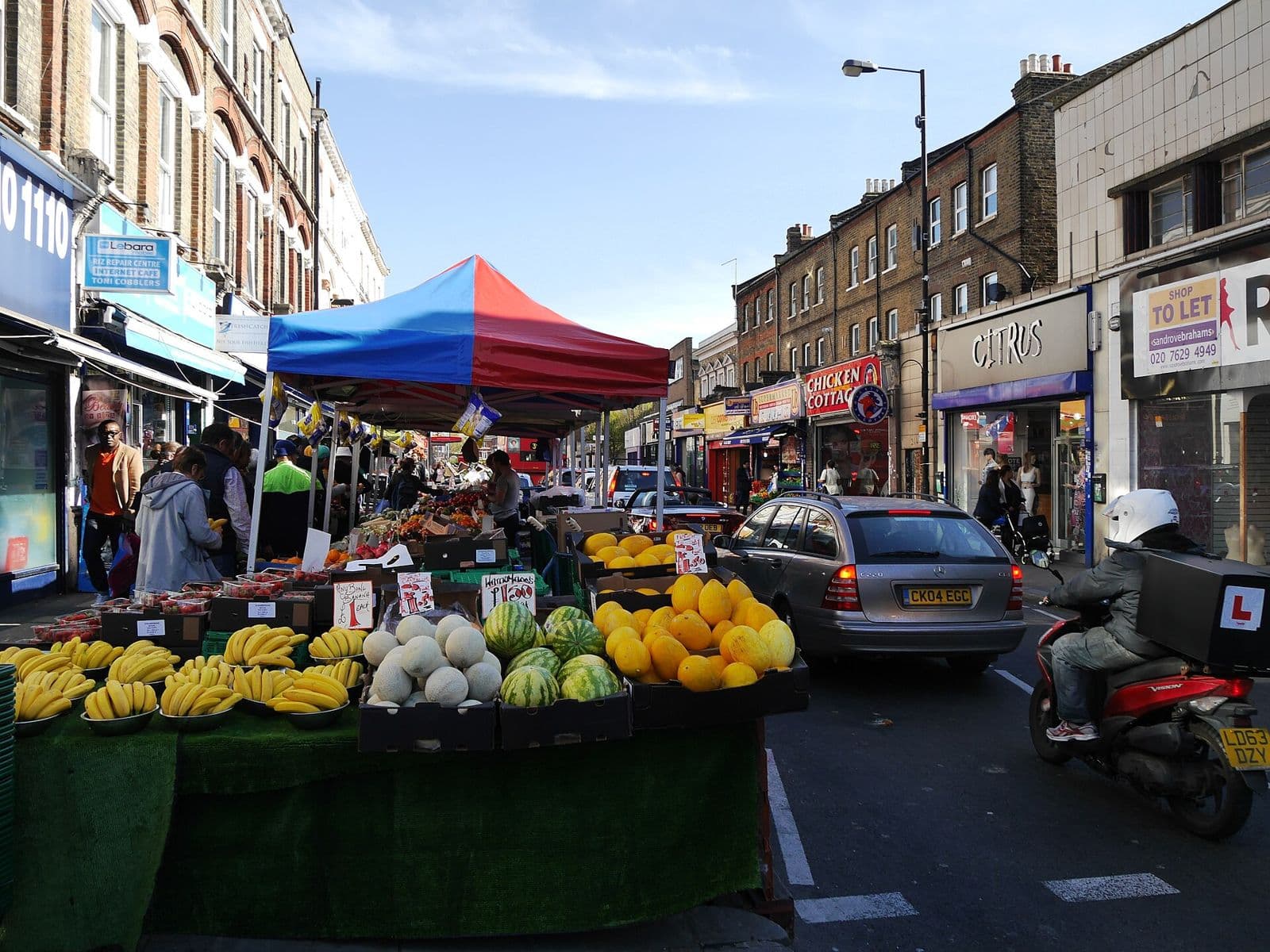
London is one of the world's most diverse food cities. Try a traditional Sunday roast in a pub, fish and chips, and the food stalls at Borough Market. Brick Lane in East London is famous for its curry houses run largely by the British Bangladeshi community, and you'll find Nepali restaurants in areas such as Woolwich and Hounslow.
Getting Around
The Underground (the Tube), buses, the Elizabeth line, the Overground and river boats are all part of Transport for London. Tap in and out with a contactless card, phone or Oyster card; daily fare caps keep costs predictable. Buses are cheap and scenic, but you can't pay with cash. Walking is often quicker than the Tube between neighbouring central stations.
Practical Tips
- Carry a light waterproof jacket or umbrella year-round.
- The UK uses Type G plugs (three rectangular pins) and 230V.
- Card payments are accepted almost everywhere; many places are cashless.
- Stand on the right on Tube escalators so people can walk past on the left.
Prices are indicative and set by the booking sites. We may earn a commission at no extra cost to you.