Why Sylhet
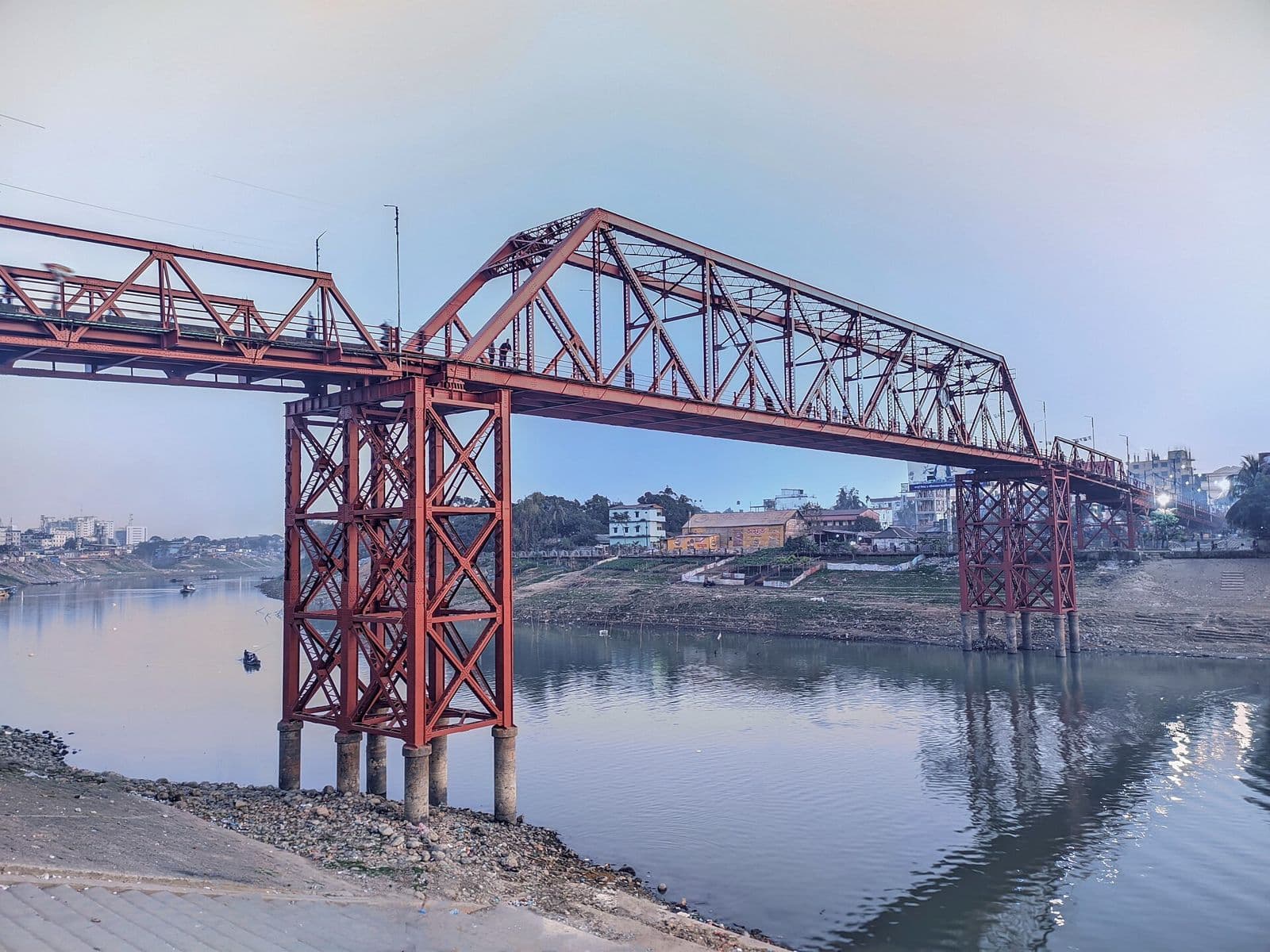
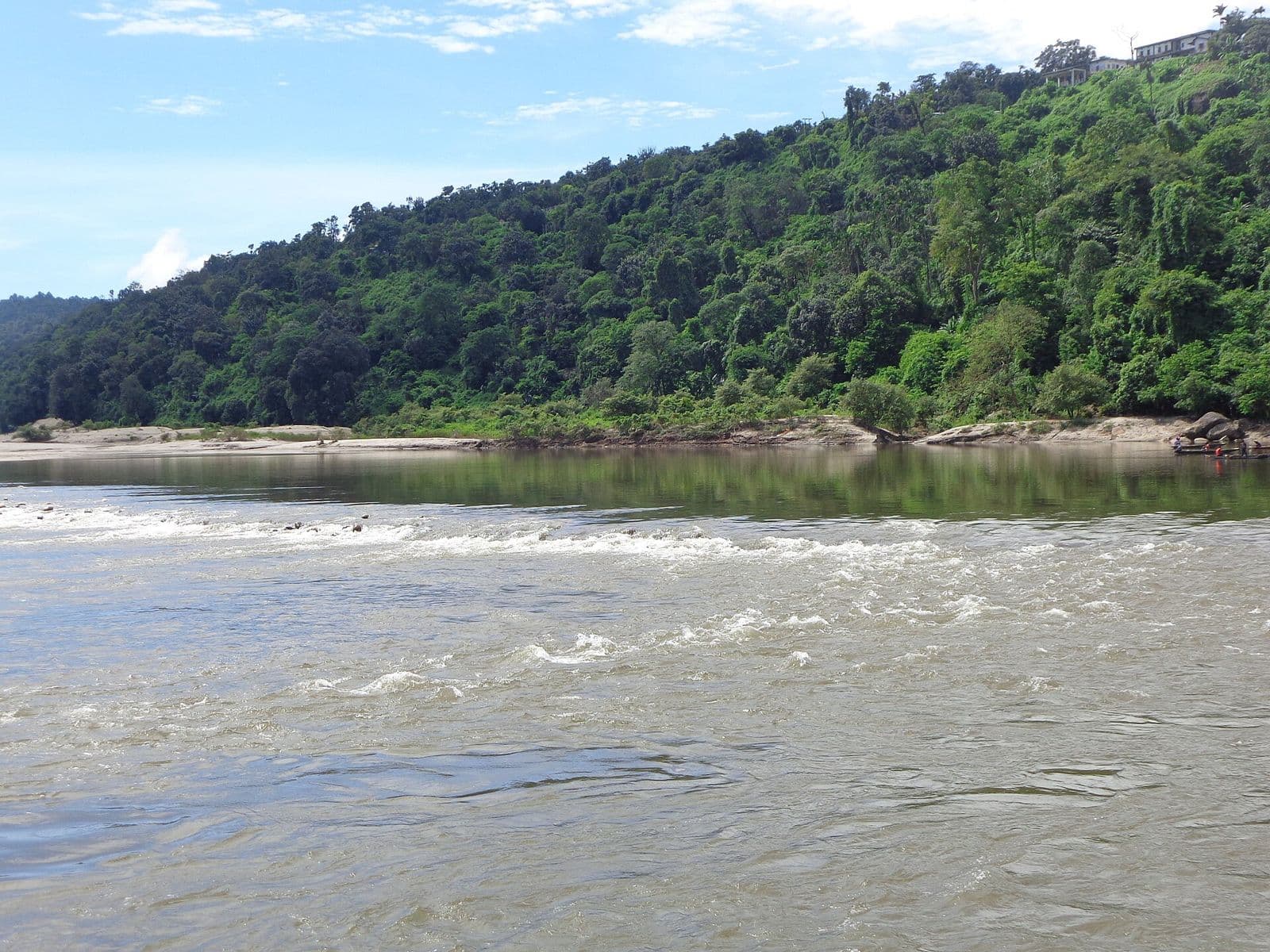
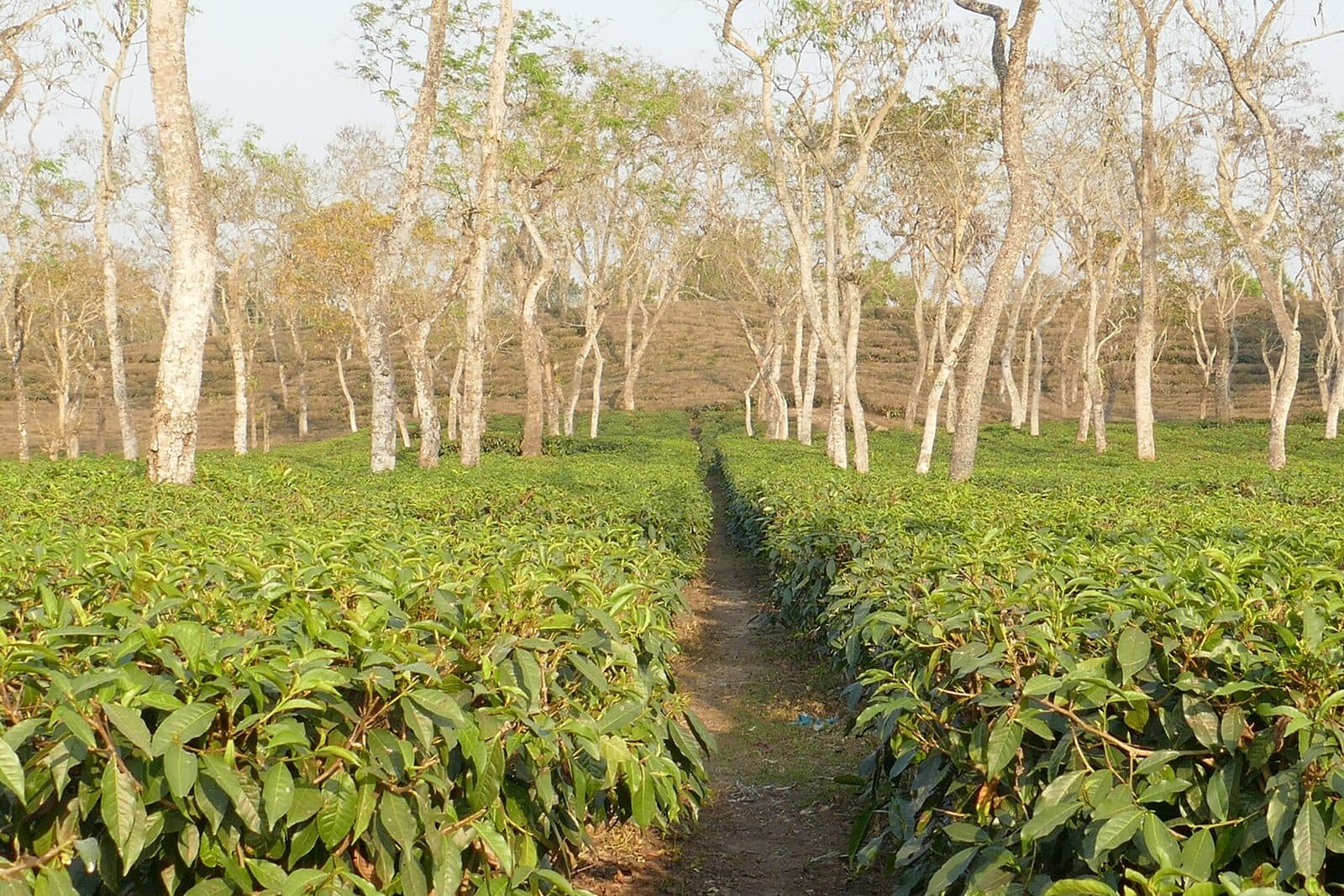
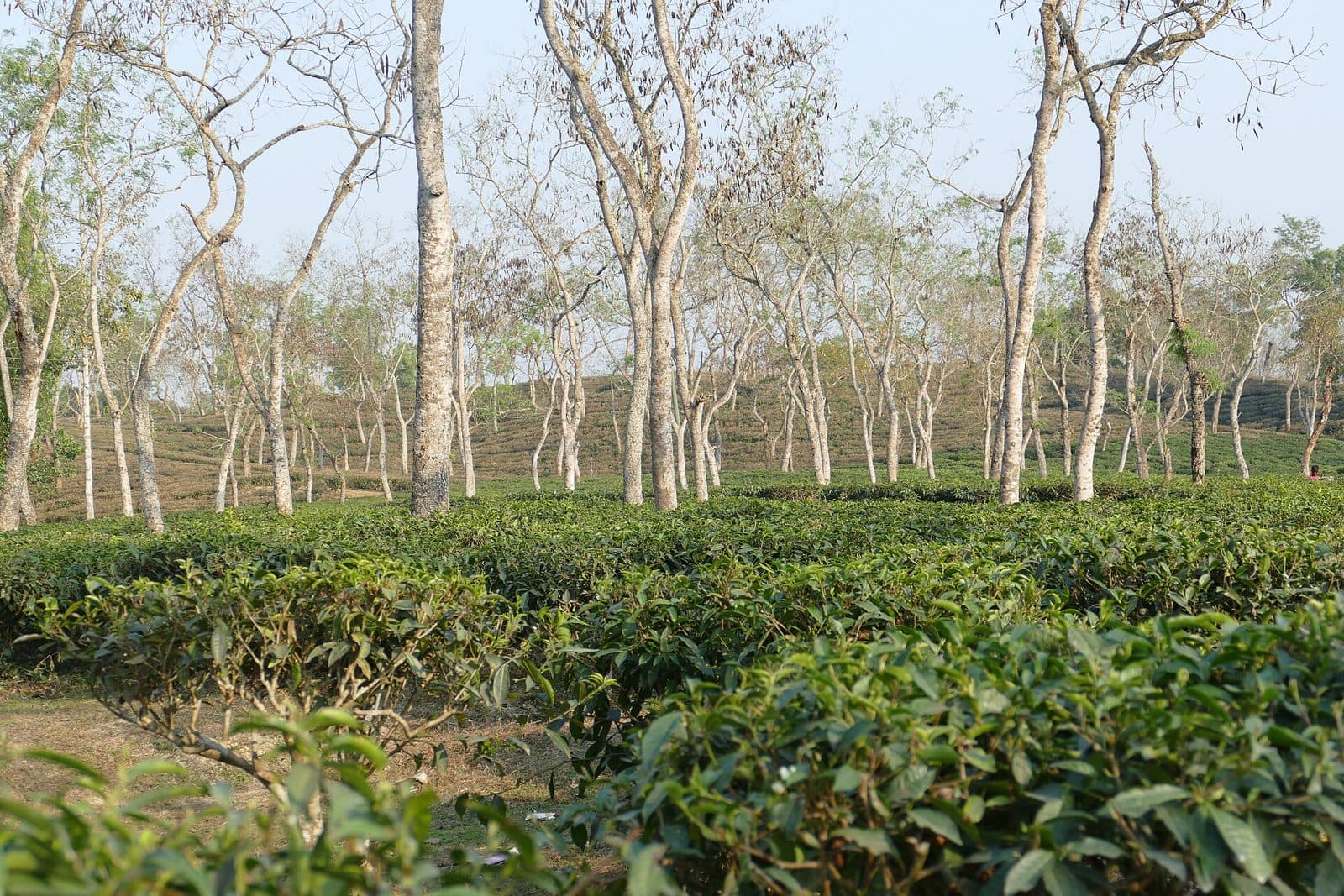
Sylhet Division, in Bangladesh's green northeast, feels very different from the flat delta most visitors associate with the country. Rolling tea estates cover the low hills, clear rivers tumble down from India's Meghalaya plateau, and in the monsoon vast wetlands called haors turn the landscape into an inland sea. The city of Sylhet is also a major spiritual centre, home to the shrines of Hazrat Shah Jalal and Hazrat Shah Paran, which draw pilgrims year-round.
The region works well for a long weekend from Dhaka, but it rewards a slower trip that combines the city's day excursions with a few quiet nights in Sreemangal's tea country.
Getting There
By air
Osmani International Airport in Sylhet has frequent domestic flights from Dhaka on Biman Bangladesh, US-Bangla Airlines, Novoair and Air Astra. The flight is under an hour, and the airport sits roughly 20-30 minutes from the city centre.
By train
The train is many travellers' favourite option. Parabat Express and Joyantika run during the day, while Upaban Express is an overnight service; all take roughly 7-8 hours to Sylhet. Several of these trains stop at Sreemangal about 4-5 hours out of Dhaka, making it easy to visit both. Book through Bangladesh Railway's official e-ticketing site, ideally several days ahead.
By bus
AC and non-AC coaches from operators such as Green Line, Ena, Hanif and Shyamoli leave from several Dhaka terminals, including Sayedabad, and take roughly 6-7 hours, sometimes longer, depending on traffic on the Dhaka-Sylhet highway.
What to Do
Around Sylhet city
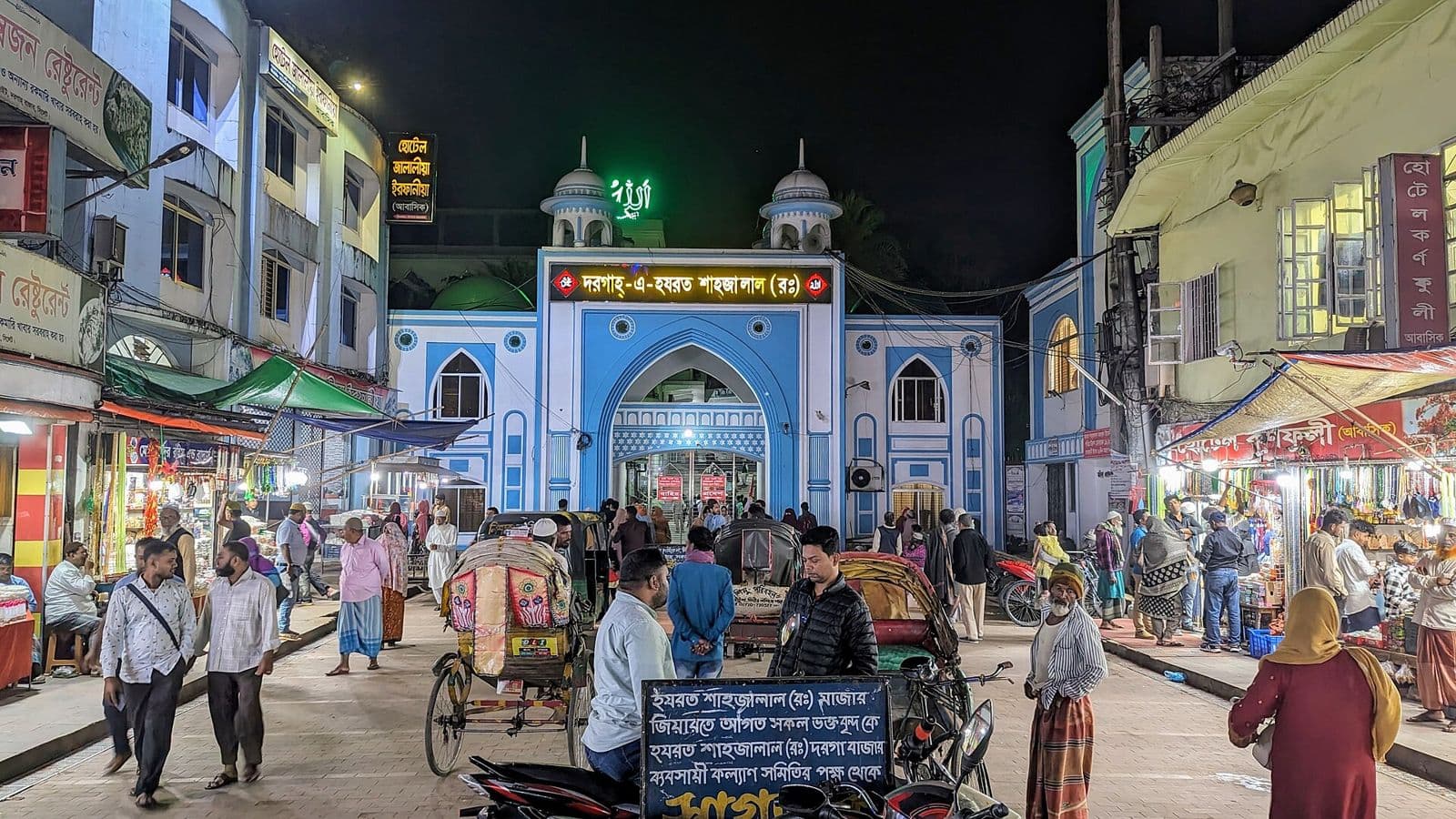
- Hazrat Shah Jalal Dargah. The city's most important shrine; dress modestly and be respectful of worshippers.
- Jaflong. About 60 km north, where the Piyain River flows out of the Khasi hills. You can see the Dawki suspension bridge across the border and hire a boat on the river.
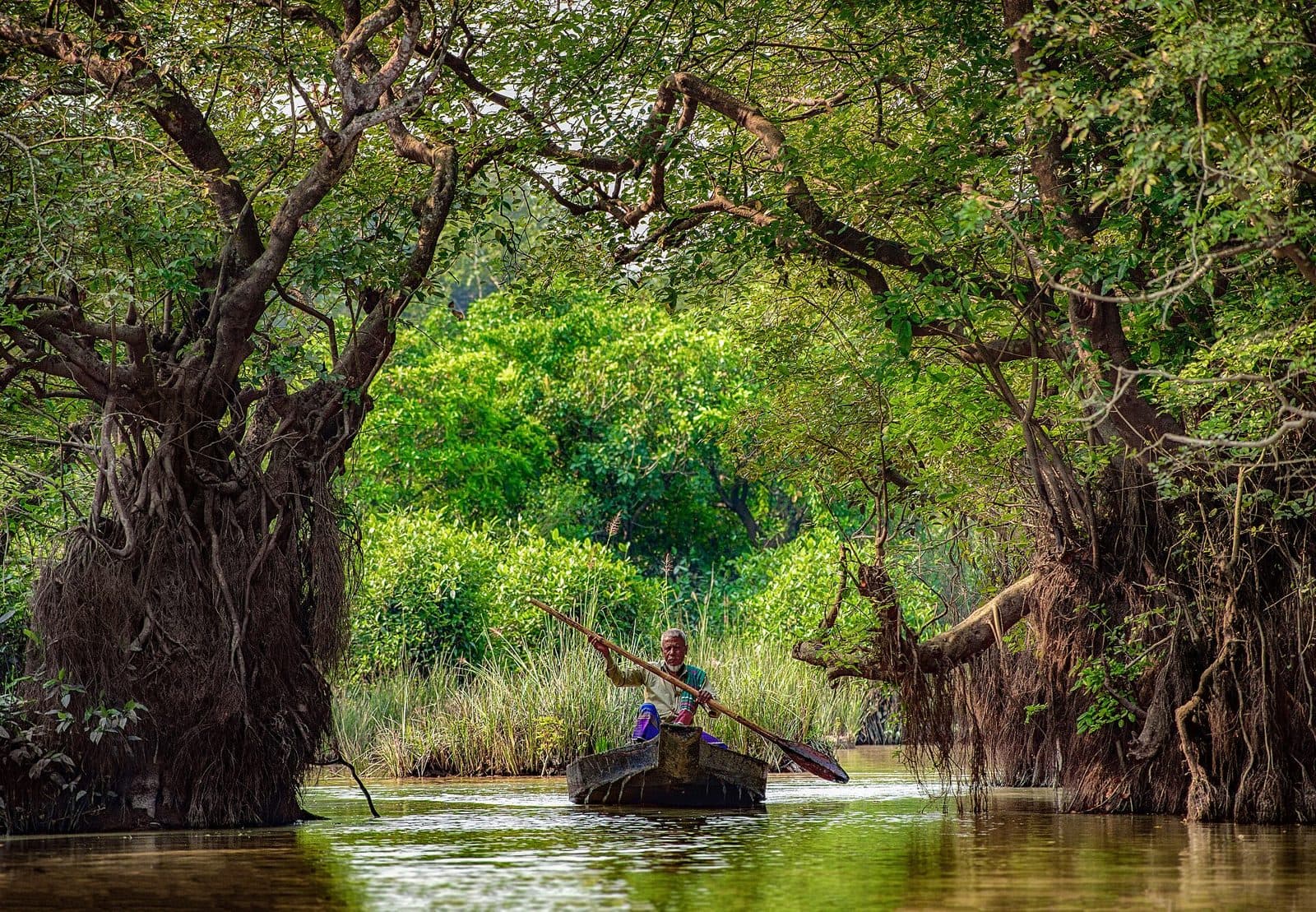
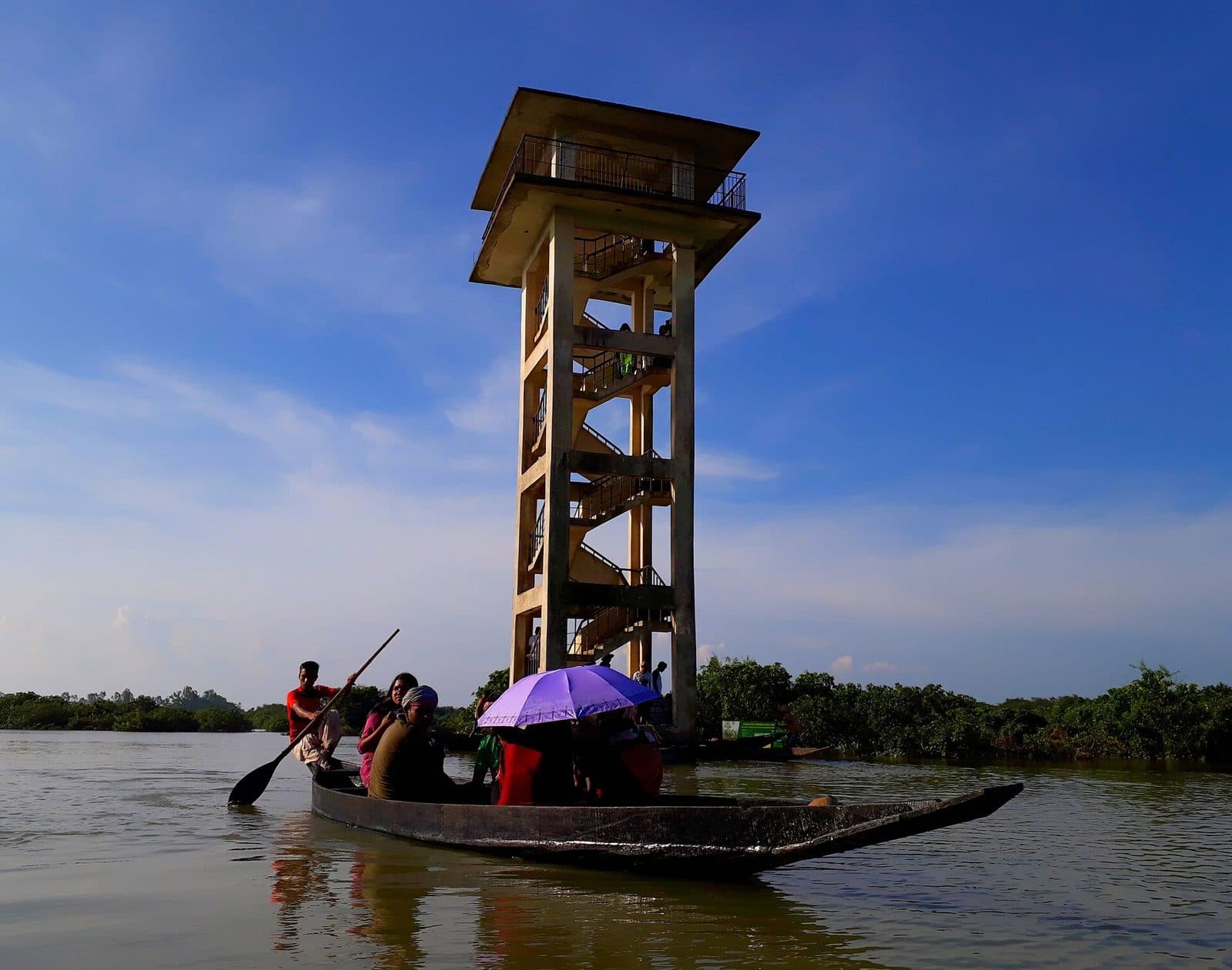
- Ratargul Swamp Forest. A freshwater flooded forest explored by small wooden boat, magical in the monsoon.
- Bisnakandi and Bholaganj Sada Pathor. Rivers strewn with white stones and framed by hills, best when water flows strongly.
- Lalakhal. A river with striking turquoise-green water, reached by boat near Jaintiapur.
Around Sreemangal
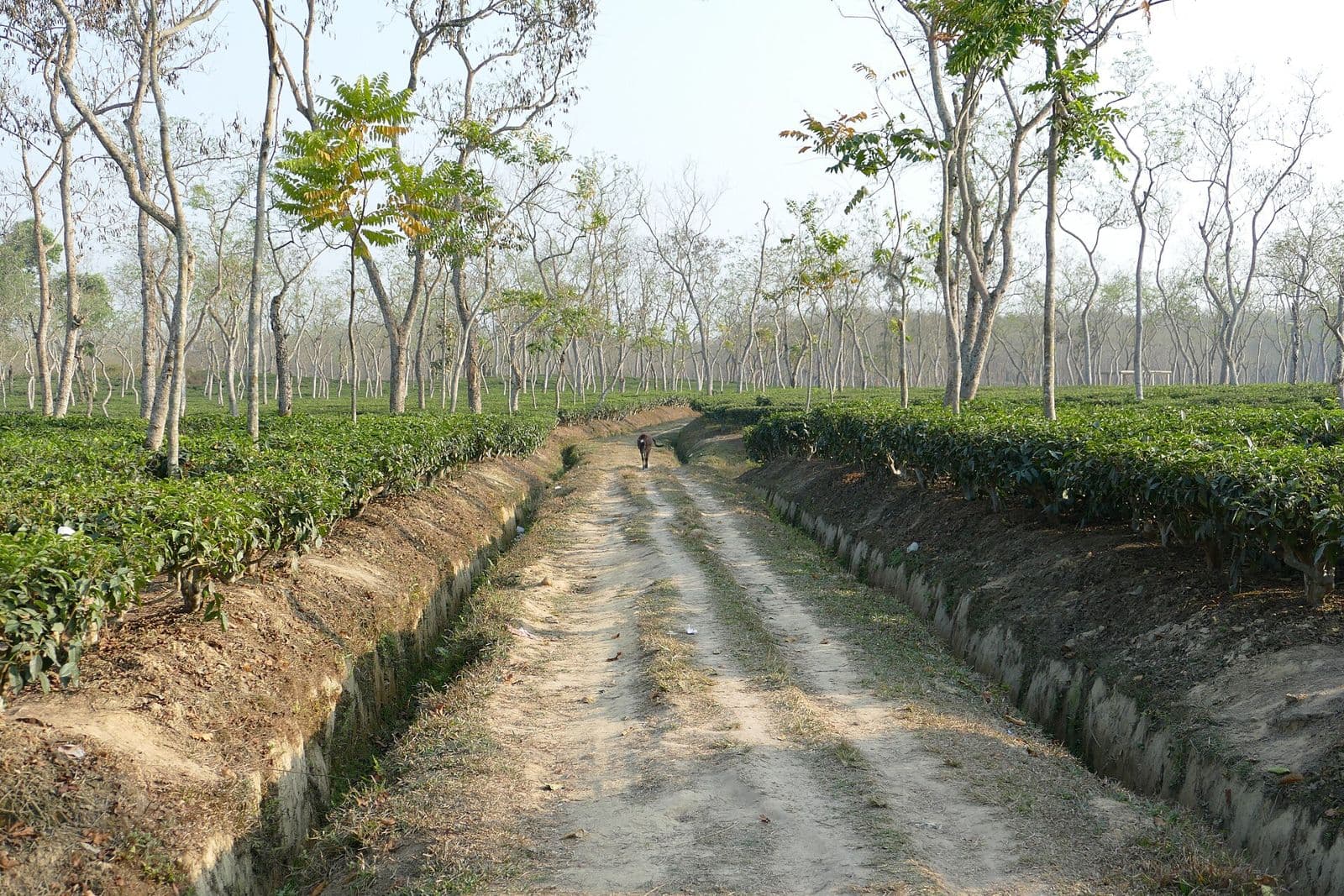
- Tea garden walks. Estates welcome respectful visitors on the roads and paths between bushes.
- Lawachara National Park. Rainforest trails where you may hear or spot western hoolock gibbons, Bangladesh's only ape.
- Madhabkunda waterfall. One of the country's best-known waterfalls, a longer day trip from Sreemangal or Sylhet.
Where to Stay
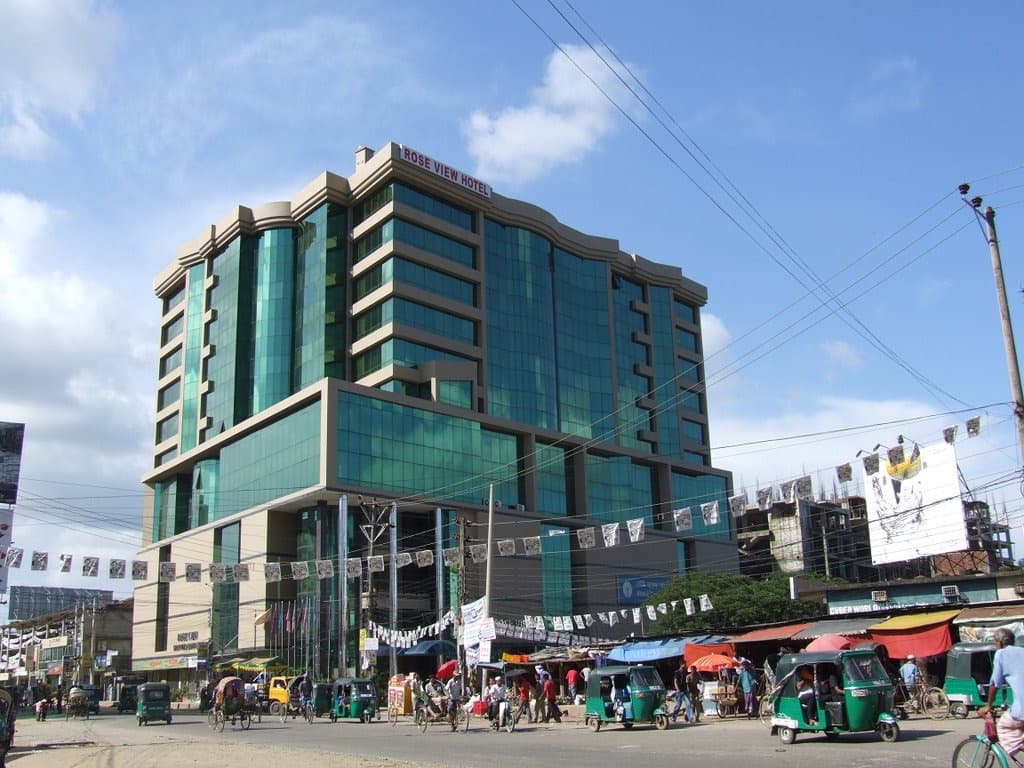
Sylhet city has the broadest range of hotels. Many travellers choose places near Zindabazar or the Dargah area; Hotel Star Pacific, at East Dargah Gate a short walk from the Shah Jalal shrine, is a convenient city base with a rooftop pool and easy access to CNGs for day trips. If you want to wake up closer to the northern sights, Jaflong Green Resort near the Zero Point offers simple, affordable rooms, some with hill views.
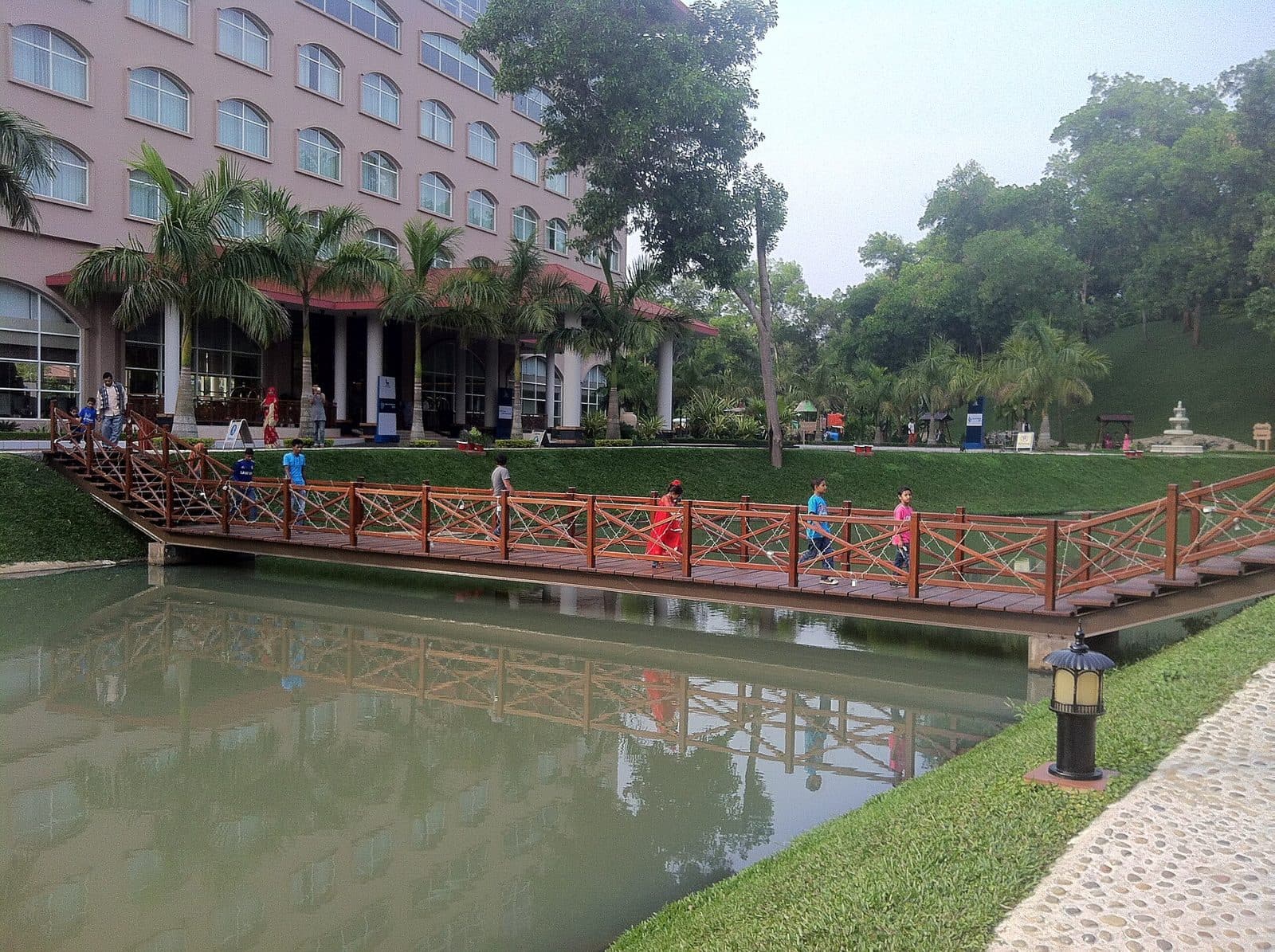
In Sreemangal, resorts and cottages sit right among the tea estates. Grand Sultan Tea Resort & Golf, on the Bhanugach road outside town, is the region's best-known upmarket option and was billed as Bangladesh's first five-star resort, popular with families for its pools, golf course, sports facilities and green views.
Resorts in Sreemangal fill up on Thursday and Friday nights, so book early for weekends.
Food
Sylheti cooking has a distinctive character. Look for beef or mutton cooked with shatkora, a sour citrus that gives curries a tangy, aromatic edge. Local restaurants in the Zindabazar area are well known for generous rice-and-curry spreads with dozens of bhorta (mashed) dishes. Freshwater fish from the haors is excellent in season. In Sreemangal, don't leave without trying the famous seven-layer tea and buying some locally grown leaf tea.
Getting Around
CNG auto-rickshaws are the standard way to reach Jaflong, Ratargul and Bholaganj; hire one for the day and agree the price and stops beforehand. Reserved microbuses are more comfortable for groups. Within the city, rickshaws and ride-hailing apps work well. In Sreemangal, CNGs and rented bicycles or motorbikes are handy for exploring estates.
Practical Tips
- Carry a rain jacket and waterproof bag in the monsoon; downpours are sudden and heavy.
- River currents at Jaflong and Bisnakandi can be strong, so stay in shallow areas.
- Leeches appear on forest trails in the wet season; long socks help.
- The border is close at Jaflong and Bholaganj; respect signage and don't wander toward the boundary.
Prices are indicative and set by the booking sites. We may earn a commission at no extra cost to you.