Kathmandu is the starting point for most trips to Nepal, whether you are planning a trek in the Himalayas or a few days exploring the temples and old towns of the Kathmandu Valley. The city is sprawling and busy, and the neighbourhood you choose has a big effect on your stay. This guide compares the main areas for first-time visitors and covers practical points such as airport transfers and visas.
Arriving in Kathmandu
Tribhuvan International Airport is the country's main international gateway, located on the eastern side of the city. Depending on traffic, the drive to central areas such as Thamel typically takes around 20 to 40 minutes. Prepaid taxis are available from counters inside the arrivals hall, and many hotels offer paid airport pickups, which can be reassuring after a long flight.
Many nationalities can obtain a visa on arrival in Nepal, while citizens of some countries need to apply in advance, and Indian citizens do not need a visa. Citizens of SAARC countries other than Afghanistan, including Bangladesh, get a free visa of up to 30 days on their first visit in a given visa year. Rules and fees change, so check current requirements with the Nepal Department of Immigration or your nearest Nepali embassy before you travel.
Thamel
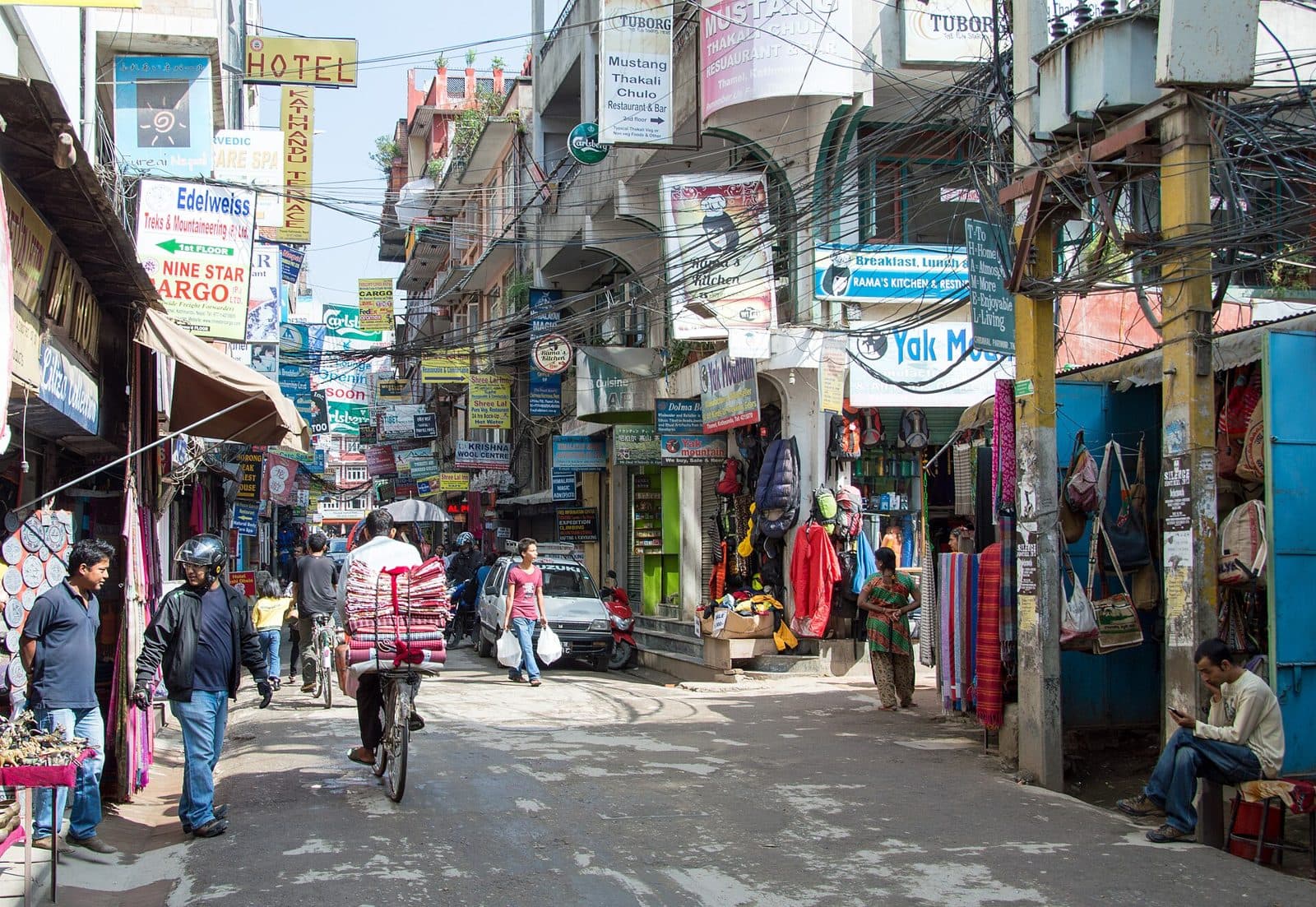
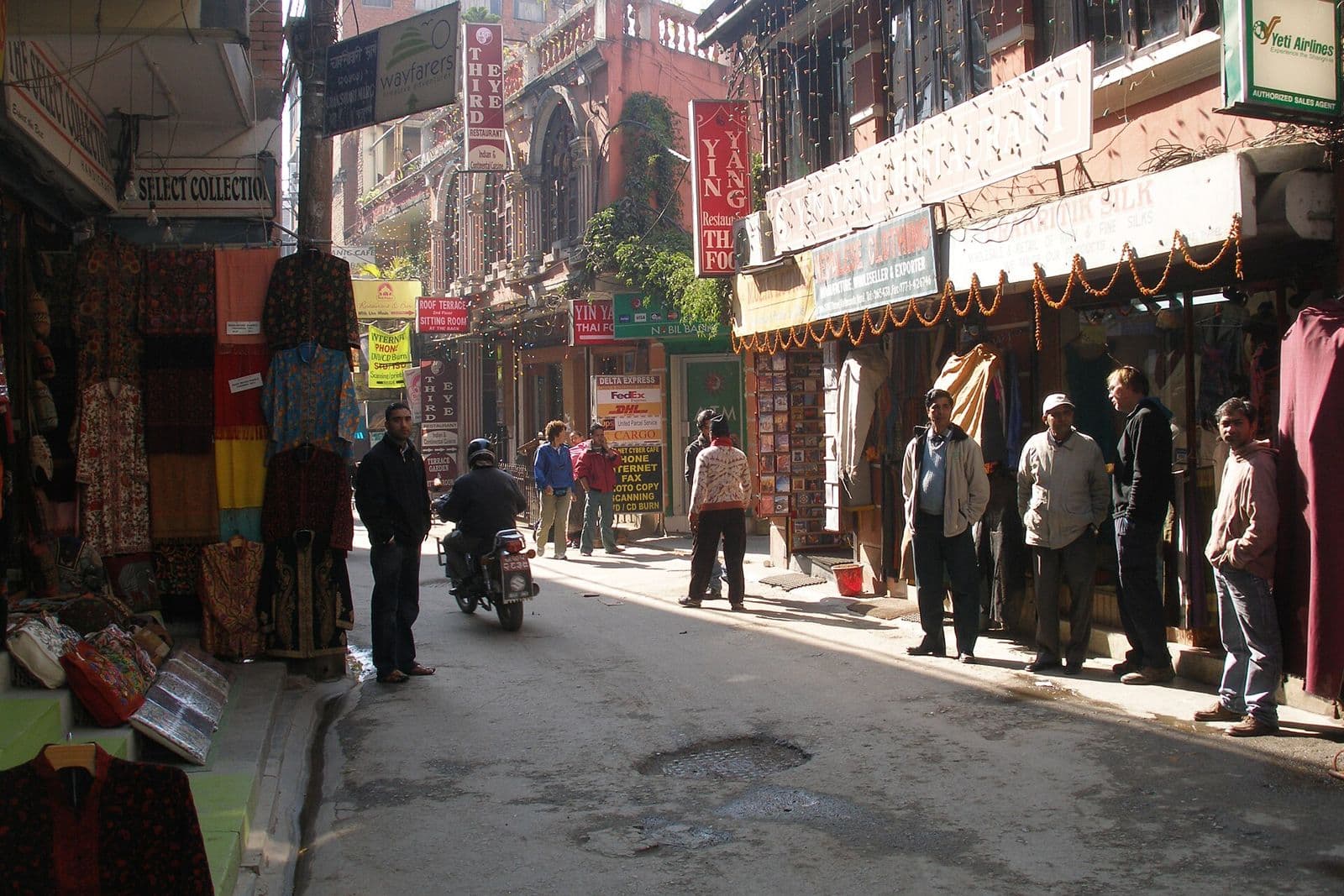
Thamel is Kathmandu's main traveller district and the most common choice for first-time visitors. Its narrow streets are packed with hotels, guesthouses, restaurants, trekking agencies and gear shops. Kathmandu Durbar Square, Asan market and the Garden of Dreams are all within walking distance.
The advantages are convenience and choice. If you are preparing for a trek, you can buy or rent equipment, arrange permits through agencies and meet other travellers easily. The downside is noise and congestion, particularly in the evenings. Hotels on quieter side lanes, or with their own gardens, often offer a better balance. Kathmandu Guest House by KGH Group, which opened in 1968 and helped put Thamel on the map, is set around walled gardens and has room types from standard rooms to suites.
Boudhanath
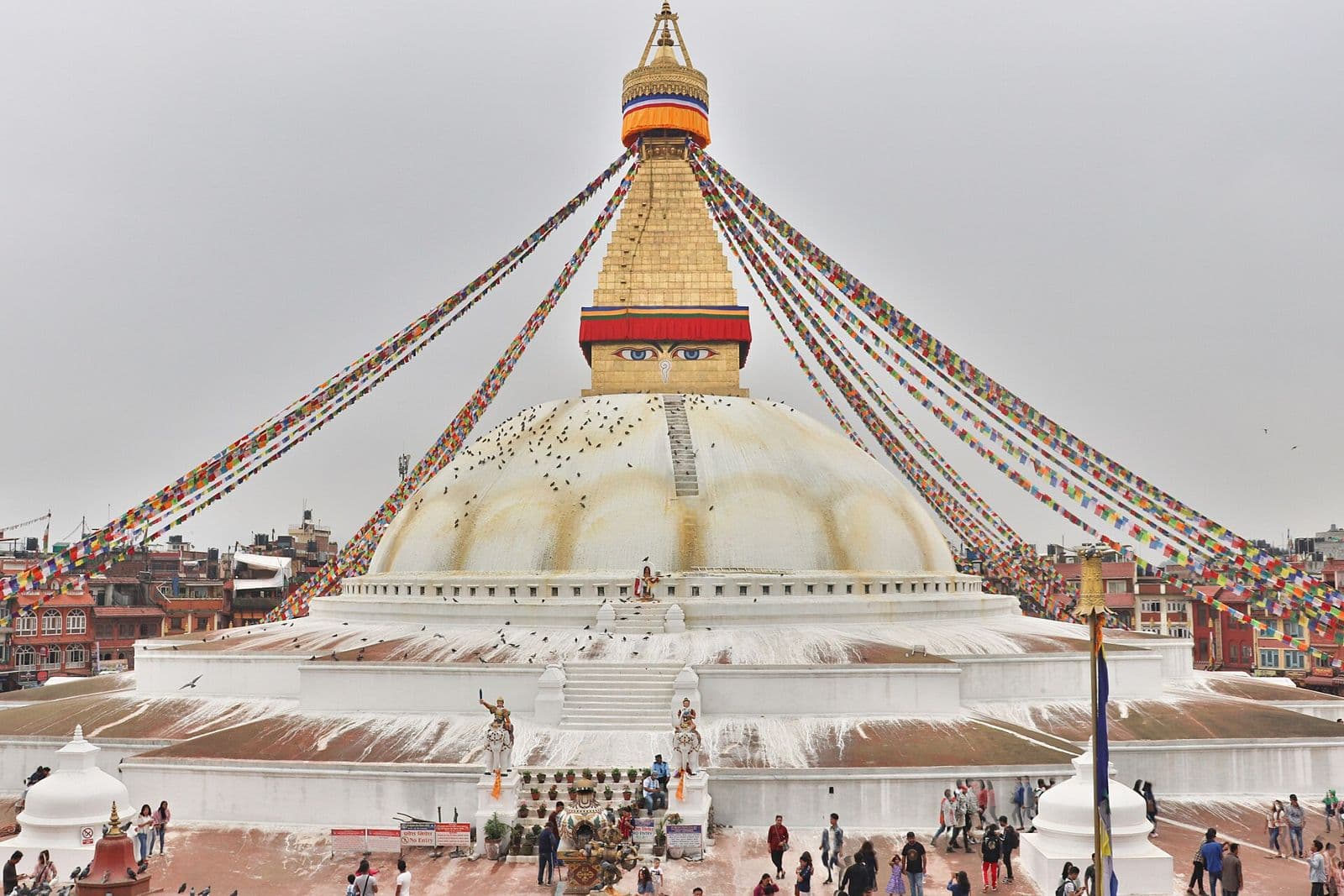
Boudhanath, usually called Boudha, is centred on one of the largest stupas in the world and is a focus of Tibetan Buddhist culture in Nepal. The area has many monasteries, Tibetan restaurants and guesthouses. Early mornings and evenings, when pilgrims walk clockwise around the stupa, are particularly atmospheric.
Boudha is closer to the airport than Thamel, which makes it a practical option for a first or last night. It is calmer than Thamel, though you will need a taxi to reach most other sights. Boudha Stupa View Guest House is a simple, good-value option right on the stupa circle, with a rooftop restaurant that looks straight onto the dome.
Patan
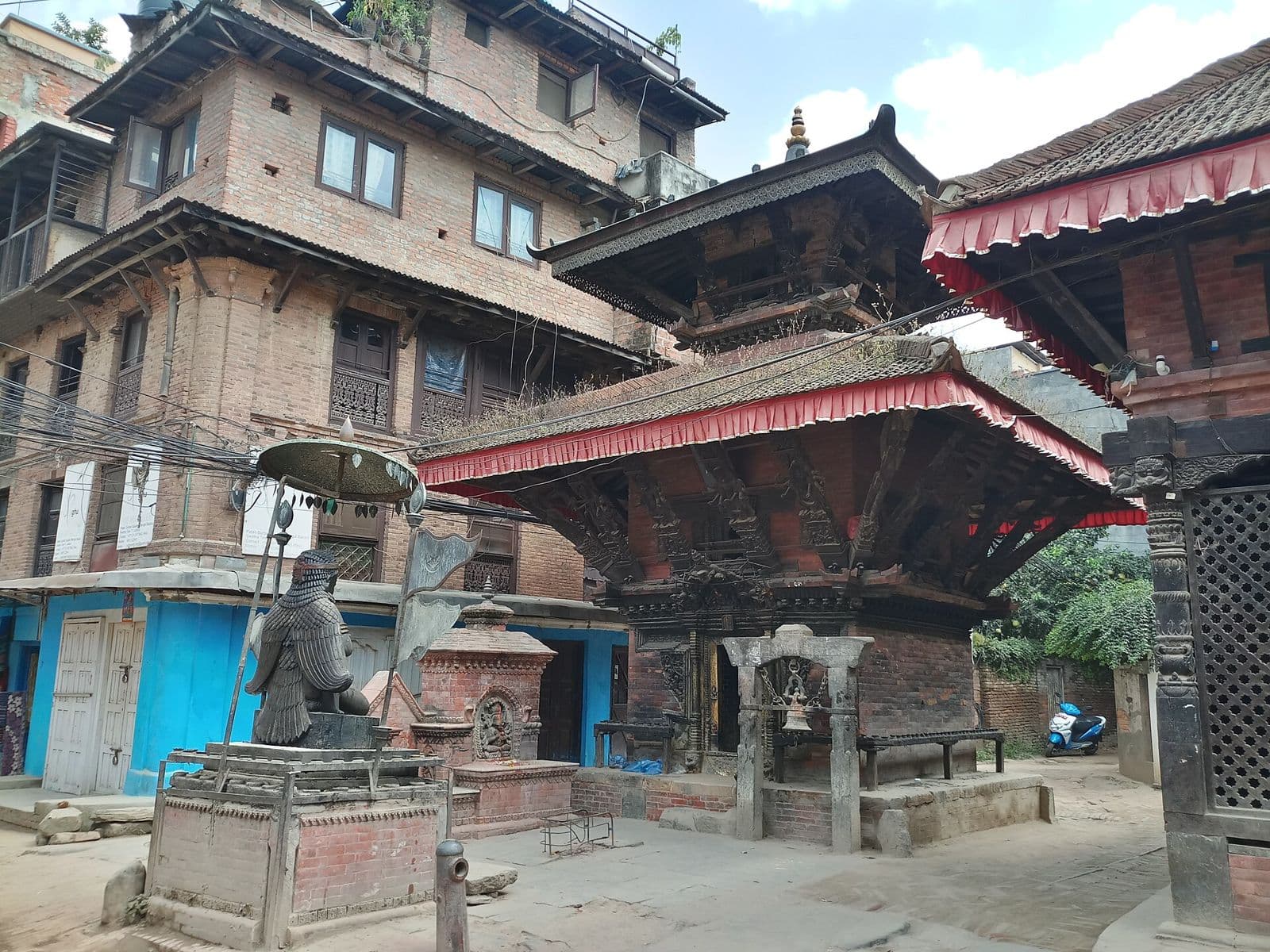
Patan, also known as Lalitpur, is a historic city just south of the Bagmati River from central Kathmandu. Its Durbar Square is one of the valley's UNESCO-listed monument zones, and the surrounding lanes are full of courtyards, temples and craft workshops. Patan has a slower pace than Thamel and a good selection of cafes and restaurants.
Heritage boutique hotels in restored Newari houses are a highlight here. They often have courtyards and carved woodwork, although steep stairs and low doorways are common in older buildings. Traditional Homes Swotha is one example, a restored Newari townhouse on Swotha Square with a small number of rooms, a ground-floor cafe and a rooftop terrace, a couple of minutes' walk from Patan Durbar Square.
Lazimpat
Lazimpat lies just north of Thamel and is home to several embassies and some larger, established hotels. It is quieter and more residential than Thamel, yet still within walking distance of it. Lazimpat can suit travellers who want easy access to Thamel's restaurants without staying in the middle of the crowds.
What hotels cost
Kathmandu has accommodation for most budgets. As a rough guide, simple guesthouses can cost around 15 to 40 US dollars per night, comfortable mid-range hotels roughly 40 to 100 dollars, and boutique or upscale properties from around 90 dollars upward. Prices tend to rise during the main trekking seasons in spring and autumn, and major festivals such as Dashain and Tihar can also affect availability.
When to visit
The most popular times to visit are autumn, roughly October and November, when skies are clear and mountain views are best, and spring, from around March to May, when rhododendrons bloom. Winter days are generally dry and sunny, but nights can be cold, and not all budget hotels have good heating. The monsoon, from around June to September, brings heavy rain, though the valley is green and hotel rates are often lower.
Practical tips for first-timers
- Air quality in Kathmandu can be poor, especially in the dry winter months. A mask can help if you are sensitive.
- Carry some Nepali rupees in cash, since smaller businesses may not accept cards.
- Dress modestly when visiting temples and remove shoes where required.
- Walk clockwise around stupas and temples as a mark of respect.
- If trekking, check current permit and guide requirements, which have changed in recent years for some regions.
Frequently asked questions
Prices are indicative and set by the booking sites. We may earn a commission at no extra cost to you.